

Four Teas To Rescue Your Afternoon Slump
By the middle of July, we’re getting into our summer rhythm. The season’s extravagancy of sunlight keeps us outdoors—it’s bright when we awake at 6 a.m., and by the time we’re ready for bed the sky still holds remnants of the day’s glow.
The bounty of radiance fuels us, stokes fresh desires to do more: ride a bike up the canyon on a Sunday morning, hop in the community pool and swim half a mile, cook a feast for a Saturday evening gathering. We thrill to the daily procession of invitations—bag a 13k peak today?—but they also wear us down.
This is where the tea break comes in. Especially during a normal summer work day, a Tuesday, no peak-bagging or cornucopia-conjuring. Those pursuits ran us ragged, from Friday until Monday morning. But now, it’s digging into a day of toil, and wrapping it up near dinnertime. Unwinding until it’s time to click off the light.
Somewhere during mid-afternoon, start forcing yourself to step away from the work tasks. Pad over to the kitchen, or the break room. Brew tea. Savor it in solitude—appreciate the wealth of mindfulness a simple tea break can deliver to an average day.
And remember that you’re engaging with an ancient practice, one first embraced by Chinese philosophers and royalty thousands of years ago. Today, cultures around the world honor the daily tea break.
In addition to myriad Asian countries, people across the Middle East make way for mid-day, tea-enriched pauses. Most of the 56 nations that formerly constituted the British Empire—from Canada, to India, to Nigeria—held tight to the tea break, if not the monarch.
Once a tea breaker, always a tea breaker
Once you become accustomed to the caesura, you’ll start to anticipate it with relish. It serves as a resetting, as a chance every day to take measure of the hours that have passed. It provides energy and focus for the hours to come. And the tea break also beckons participants to step outside of time, if only for 15 or 20 minutes. For many, it’s highly meditative and soothing.
Any beloved tea works. But some might deliver a touch more mid-day advantages than others. For one thing, we adore sipping teas flooded with L-theanine when we step away from the day. The amino acid promotes a calm focus, which probably helps explain why millennia of contemplatives have turned to tea. It also brings welcome vibes to breaks punctuated with tea.
In addition to the L-theanine factor, we like sipping teas lower in caffeine in the middle of the afternoon—unless, of course, we need a big jolt.
Finally, we find matcha can be soothing for breaks. The tea is naturally higher in caffeine than others, but it also contains quite a bit of L-theanine, and we often sip matcha in smaller quantities. We find the act of whisking matcha so very soothing and meditative—a perfect mid-day break activity.
Ready to break for tea? Let’s get started with these four beautiful teas. Also, consider nibbling something between sips. Cookies, some fruit, a small slice of cake—many tidy treats complement tea in marvelous fashion.
Tea Break Teas: Gyokuro Superior Green
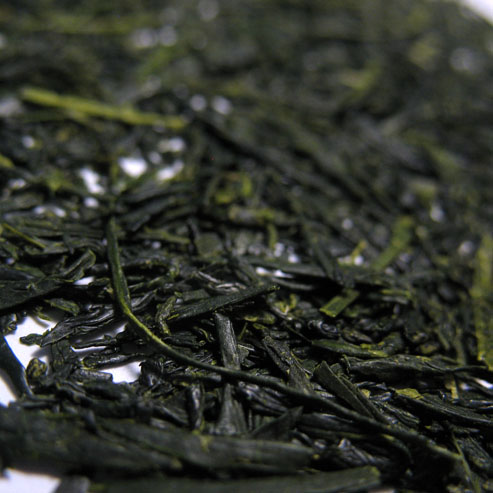
Tea farmers in Japan obscure tea trees in shade for 20 days prior to harvesting the tea that becomes Gyokuro Superior—the highest grade of Japanese tea. The protocol creates a unique and umami-rich brew; connoisseurs revere Gyokuro Superior. But the shade foments more than wonderful flavor—all of it ups the L-theanine quotient. Meaning when you sip this tea, you get more of the calm focus plant compound than from most other teas. A mid-day break? Reach for Gyokuro Superior, which looks like pine needles due to post-harvest practices that have tea artisans roll each leaf by hand after steaming and drying.
Tea Break Teas: Blue Spring Oolong
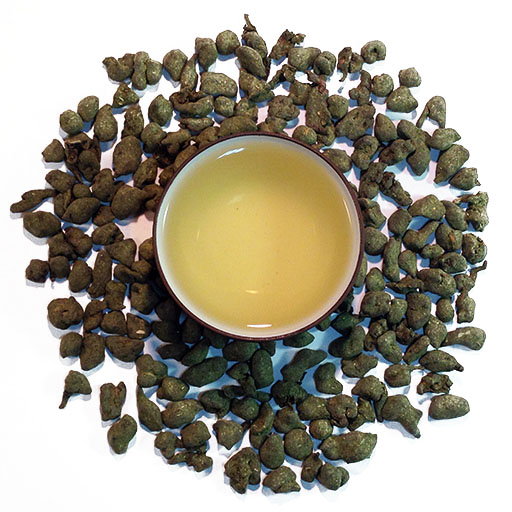
For many people, oolongs represent tea-break perfection. Neither bold like so many blacks, nor grassy and herbal like a balance of greens and whites, oolongs serve as bridges between the two. And what is a mid-day pause but a bridge between morning and early afternoon’s activities and the rest of the day?
Our Blue Spring oolong ranks as one of our most popular teas. After harvest, tea artisans roll leaves into pellets and then coat them with licorice root powder. The result? A rich, sweet aftertaste; a balm for the throat thanks to the licorice; and focused mental energy. Don’t miss Blue Spring for your afternoon break!
Tea Break Teas: Moroccan Mint Green
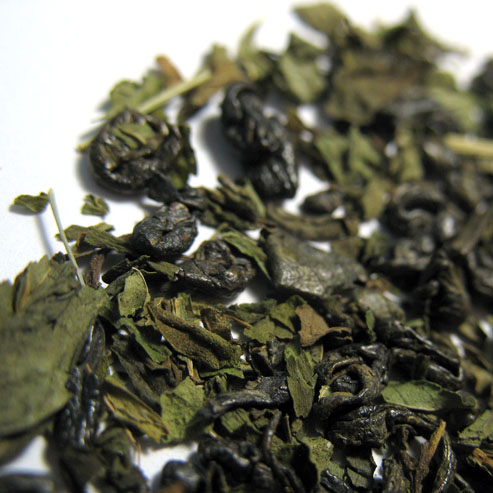
Moroccans may be even more tea-obsessed than Chinese and Japanese people. Moroccan Mint Tea is the country’s national beverage. Many people consume more tea than water in a given day. They take many tea breaks across the day. And people from Morocco drink more tea than those from nearly any other country in the world—only people from Turkey, Ireland, the United Kingdom and Russia sip more.
This is the tea they brew and sip all day, every day. It’s a combination of classic Chinese gunpowder green tea, with spearmint. The combination provides modest jolts of caffeine, along with lots of minty snap from the spearmint. We think the mint helps awaken minds and instill energy. In Morocco, people add quite a bit of sugar. It’s lovely with a little rock sugar, in our opinion, as well as honey. But this tea sings without the sweetener, too.
Tea Break Teas: Matcha
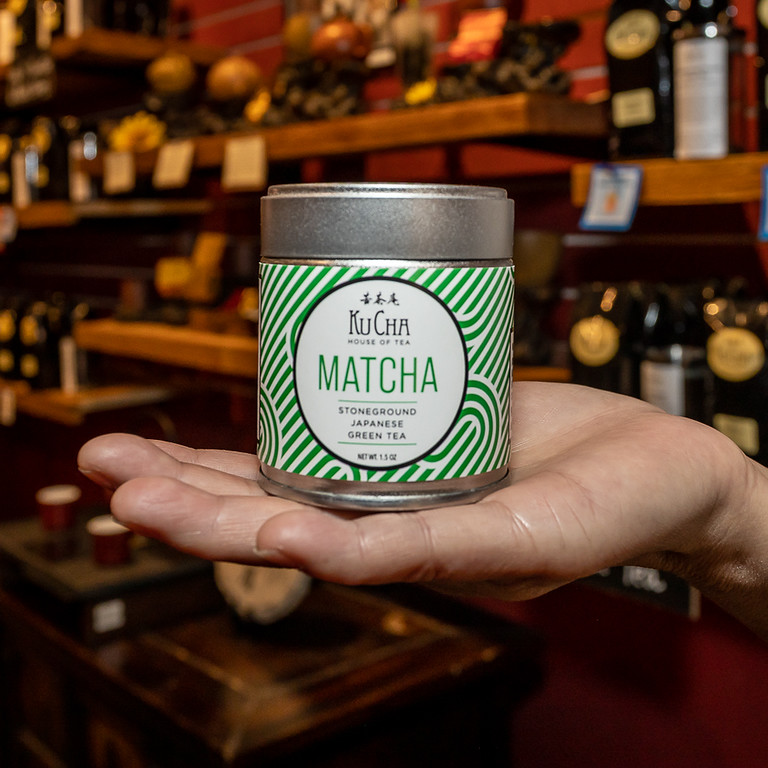
Yes, most coffee shops these days offer matcha lattes, which translates into large mugs of tea and milk, sometimes with added sweetener. We like them—in fact, we sell lots of matcha lattes at our Colorado tea shops. The more tea the merrier! But for centuries, most people consumed matcha in small cups. Sweetener? Milk? No. Japanese people consciously brewed and served matcha to help them break away from the day’s busyness, and sink into serene focus. The act of brewing and whisking the matcha powder, along with sipping slowly to appreciate the flavor, contributed toward the contemplative break. So did the stimulative properties of the tea, of course.
