

The Case for Cold-Brewing Green Tea All Summer Long
We’re nuts for Camellia sinensis, of course. Childhoods in China spent sipping oolongs, greens, blacks, whites and pu-erhs tend to have that effect!
So when summer rolls around and desire for iced tea mounts, we keep on brewing traditional teas for pleasure, thirst-quenching and health. This doesn’t mean we shrink from herbal blends—on the contrary. Herbal blends often sing—beautifully—when served cold, and we drink through gallons of those, too, across Colorado’s hot summers.
But we’ll always have vessels of chilled Camellia sinensis in the ‘fridge when temperatures rise and days seem to last forever. What do we brew? Many of our traditional teas have experienced iced tea experimentation over the years. When done right, we think most of them can taste righteous.
Some of them take better to different brewing methods, however. As explored in last week’s blog and newsletter, three main approaches toward iced tea—cold brew, batch brew and flash chill—work wonderfully.
Today let’s focus on cold-brewing, and let’s stick mostly with green teas; we’ll brew a white tea together, too.
Why to cold brew those green teas
Tea artisans arrest oxidation immediately after harvesting with green and white teas, a step that preserves most of the leaves subtleties—their grassy, herbal notes. These get lost with the more aggressive oxidation that black teas, for example, undergo.
It’s easy to showcase greens’ nuances with traditional hot water steeping, but those doing the brewing must pay close attention to their timers. When hot water hits green tea, things can turn bitter fast. Heat extracts wallops of catechins, tannins and caffeine.
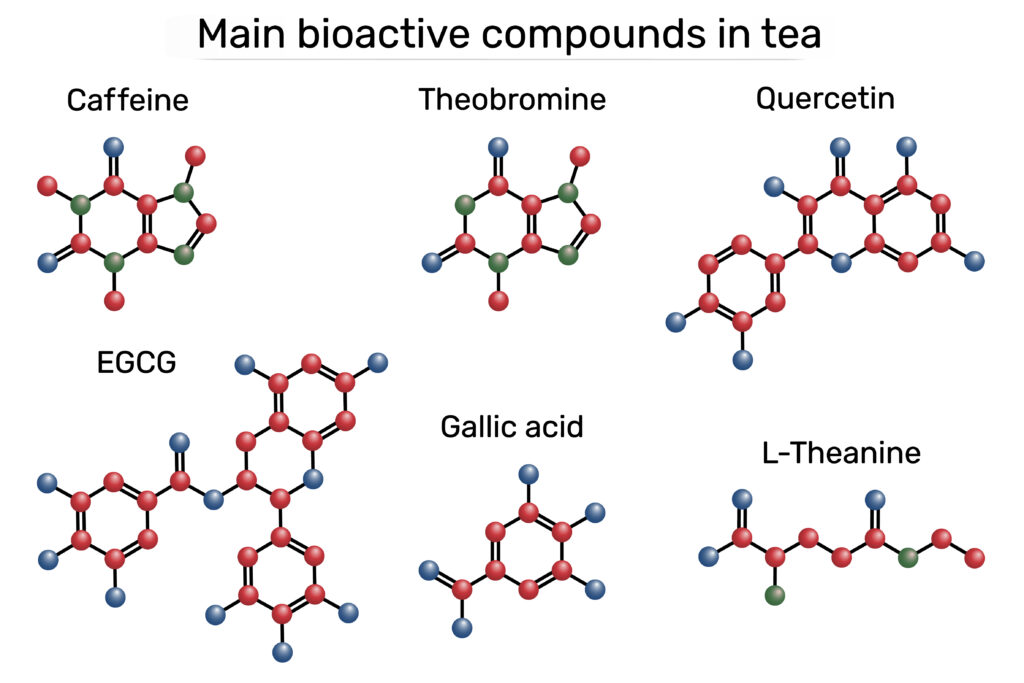
Cold brewing, however, does a superb job safeguarding green teas’ refinements—without requiring eagle attention to a timer. One of the keys: L-theanine. This amino acid, also known as the umami amino acid, gets extracted more efficiently in cold water than does catechins, the compounds that can give tea its bitter, astringent qualities. So when you cold brew, you’re doing a better job liberating deeply flavorful L-theanine from the leaves, and also keeping more of the bitter catechins in the leaves, rather than flooding the brew.
In addition, cold brewing is less effective at squeezing caffeine from tea leaves. As a result, cold brewed teas contain less caffeine than hot brewed versions.
Just blend the tea and cold water in a pitcher and let it brew for between 4-8 hours in the refrigerator. The result? Ridiculously refreshing cold green teas packed with flavor, devoid of bitterness and sparked—but not punched—with energizing caffeine. Honestly? They’re kind of perfect.
With Memorial Day behind us and nothing but atmospheric warmth for months ahead, let’s get cracking with decorating the alternately languid and frenetic days of summer with perfectly brewed iced green tea.
Cold Brewing Green Tea: Gyokuro
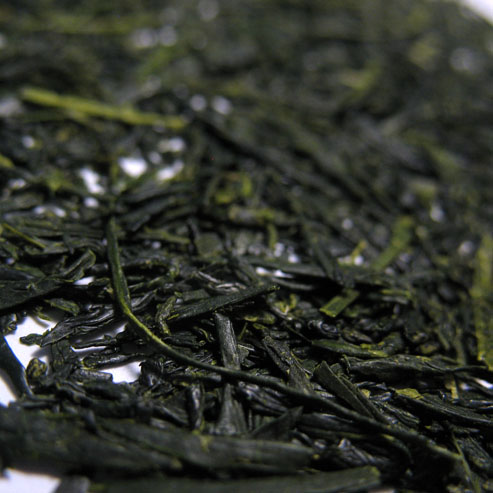
Now armed with knowledge about L-theanine, the “umami” amino acid, we consider gyokuro, which contains more L-theanine than any other tea. This means that when gyokuro gets cold brewed, those tasty amino acids flow into the liquid. At the same time, the bitter catechins remain mostly locked up in the gyokuro leaves. After you’ve strained the leaves from the liquid, prepare yourself for an iced tea treasure. You’ll gulp this tea with abandon all summer long.
Gyokuro, which means Jade Dew in Japanese, stands as Japan’s highest grade green tea. Farmers make sure to shade the tea bushes for 20 days prior to harvest, a step that further increases the tea’s quotient of L-theanine. After harvesting, artisans steam, dry and carefully roll the leaves into distinct shapes resembling pine needles. Harvested just once a year, in spring, gyokuro’s delicate flavor and sweet aftertaste make it highly sought after by tea fanatics—that includes us. This time, cold brew it!
Cold Brewing Green Tea: Mountain Mist
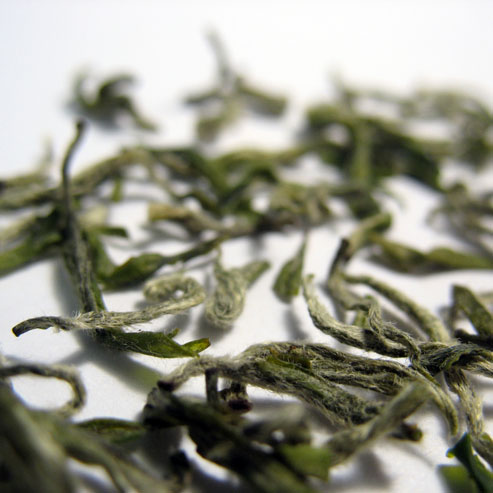
Here’s an idea—cold brew a green tea first recorded as China’s best tea by tea saint Lu Yu in the first book ever written about tea, Cha Jing. Also known as “The Classic Book of Tea,” the tome dates back to the 10th century, in the Tang Dynasty. Mountain Mist comes from Mountain Meng, an ancient tea mountain in northern Sichuan Province, and brews sweet and fragrant. In some ways, it even seems to conjure morning mist, with scholars comparing it to morning dew dropping from pine trees on top of Mountain Meng. It’s a cold brew champion!
Cold Brewing Green Tea: Bi Tan Piao Xue
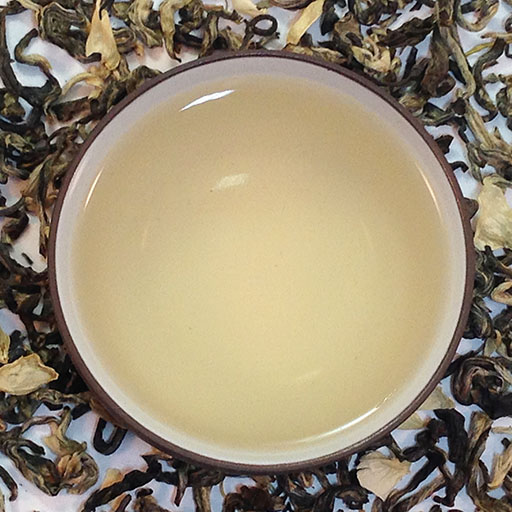
Like Mountain Mist, the base of this tea also comes from Mountain Meng. The other ingredient, jasmine blossoms, grow in the same area as the tea plants. Tea artisans blend jasmine blossoms with fresh-plucked tea leaves to create what is the most exquisite jasmine green tea in the world. Bi Tan Piao Xue means “snow flakes falling upon a jade pond,” a name describing both the appearance of the tiny, silver-lined tea buds mixed with tender jasmine flowers, as well as the transportive experience of sipping this tea. Given the density of its floral and herbal notes, Bi Tan Piao Xue responds especially well to cold brewing
Cold Brewing Green Tea: Jasmine Pearl Green
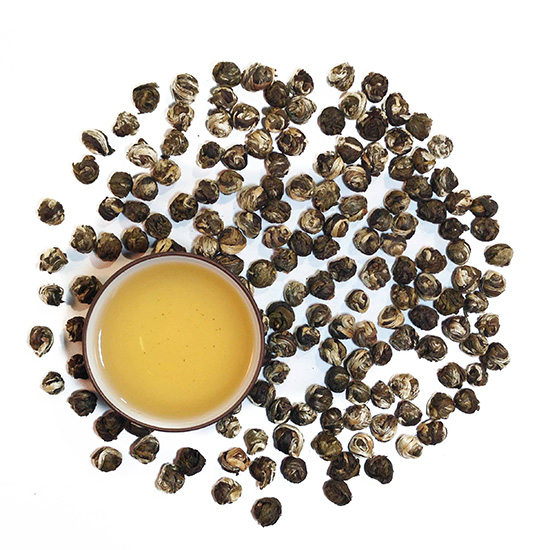
We adore jasmine teas, and often turn to the cold brewing process to best conserve the intoxicating, and fleeting, flavor of jasmine blossoms. Our Jasmine Pearl green tea is fun to cold brew, as tea artisans fashion the leaves into pearl-like balls. When you drop these green spheres into water, they unfurl. The show is amusing to observe in a pot—especially a glass one. But if the vessel you use for cold brewing is glass, then the spectacle goes on for longer. Open that ‘fridge half an hour after placing the pitcher on shelf, and watch the pearls continue their liquid dance! This tea, one of our top sellers, offers bright floral aromatics. Cold brew it, bring it along in a thermos to sip across the day, and you’ll engage with a little aromatherapy whenever you bring it to your lips.
Cold Brewing Green Tea: Silver Needle White
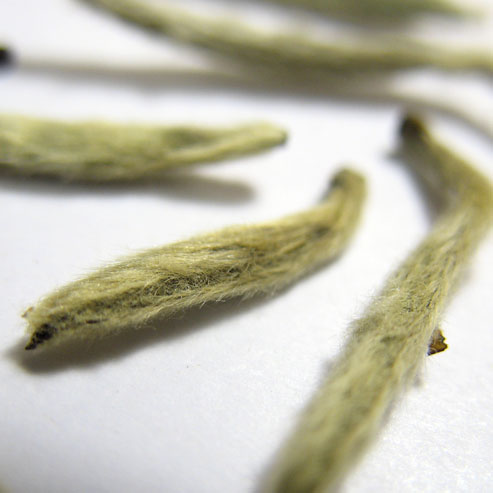
White and green teas have much in common, resting largely on their relative lack of exposure to oxygen after harvesting. By depending little on oxidation for flavor, these teas invite tea lovers to embrace the pure qualities of the leaves, rather than exploring the notes delivered through the oxidation process. As such, both stand as strong candidates for cold brewing. Our Silver Needle, also known as Bai Hao Yin Zhen, gets picked by farmers early in spring. They then fan out and dry the leaves in sun before firing them over charcoal at a low heat. In the case of Silver Needle, the artisanship yields the sweetest of white teas. Good news for cold brewing—the tea’s natural sweetness grows even rounder and fuller through cold brewing.
