Boolong! Our Favorite Teas for Halloween
Witches and goblins, vampires and ghosts, zombies and skeletons—the spooky season is upon us. We thrill to the creative atmospherics—the little ones dressed up and radiating excitement; the gravestone-littered yard makeovers; the invitation for adults to put down their guard, paint their fang-punctuated faces and howl like werewolves.
It’s the silliest of American holidays. Maybe that’s why so many of us adore Halloween.
Candy serves as the holiday’s culinary foundation. But tea often plays a role as well—the classic “witches’ brew,” poured from a smoky cauldron, is a kind of tea. And as the holiday revels in autumnal glory, the whole vibe includes our favorite beverage. We think no other hot drink signifies fall quite like tea.
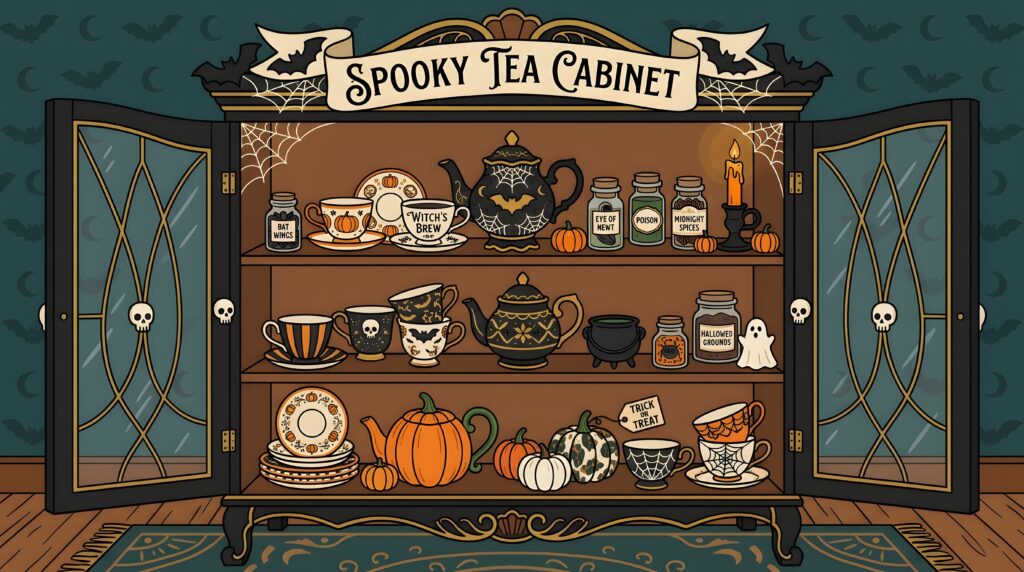
It doesn’t land for another 16 days. Between now and then, let’s perfect our Halloween tea game, yes? You’ll want a mug of hot tea to ward off the late October chill, while walking the little ones through neighborhoods. As for the kids, we offer a large volume of teas that brew into bright red—one of Halloween’s signature colors, thanks to the traditional emphasis on gore. This list of Halloween teas nods toward candy corn, wallows in scarlet and embodies transformation—a key concept during this holiday of dressing up.
Halloween Teas: Shanghai Dreams Fruit Tea
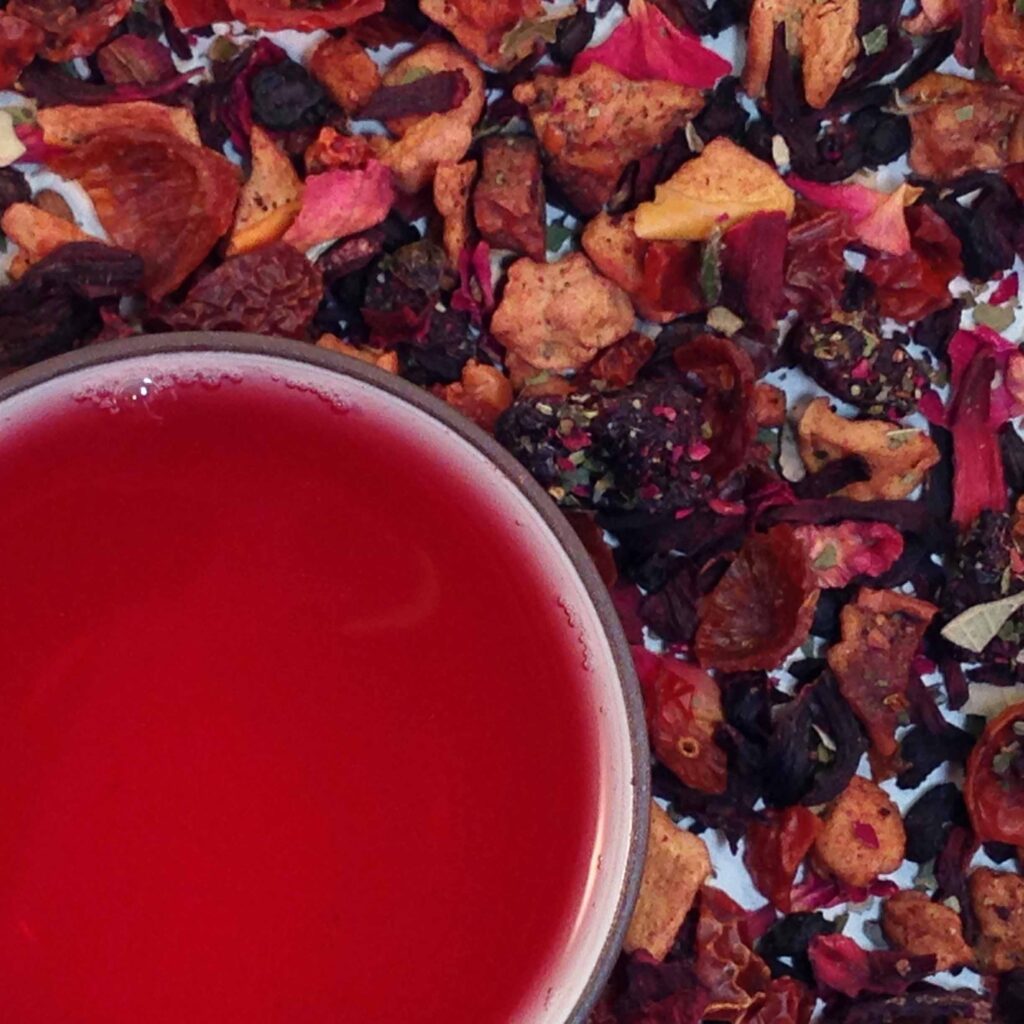
Looking for Halloween red? This is a tea for you, and one beloved by adults and kids alike. Our Shanghai Dreams fruit tea, which does not contain caffeine, gets its rich color from beetroot, hibiscus and sour cherry pieces. But this dream of a sip also contains apple, rose hips, elderberries, rose petals, blackberry leaves and vanilla bean. The whole package tantalizes taste buds. It also brews into an arresting and vivid color. A perfect Halloween tea! The kids will savor it, too, when they return from their chilly night out ringing doorbells and shouting “trick or treat!”
Halloween Teas: Vanilla Rooibos
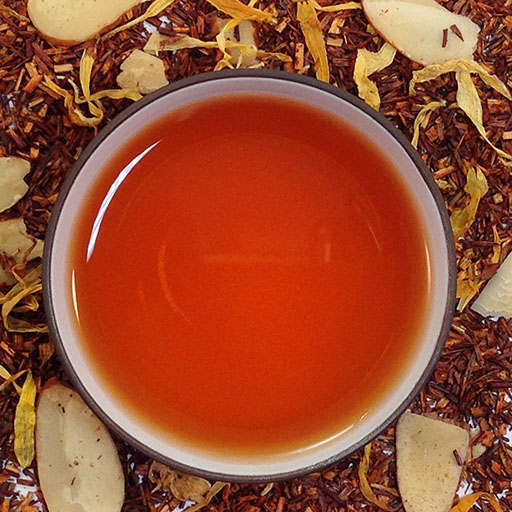
Candy corn has been around since the 1880s. Back then, the manufacturer marketed it to rural farming communities as an affordable penny candy, and called it “chicken feed.” In the 1950s, it transitioned to Halloween stardom and now stands as a signature Halloween flavor. Even though it’s orange-striped, candy corn does not carry orange flavor. Instead, it broadcasts vanilla, marshmallow and honey. To honor candy corn, we suggest our Vanilla Rooibos. This beautiful decaffeinated tea sits on a rooibos foundation, with calendula, almond slivers and vanilla. We thrill to this tea year-round, and adore it lashed with a cream of some sort and touched with honey. Happy Halloween!
Halloween Teas: Smoky Dragon Black
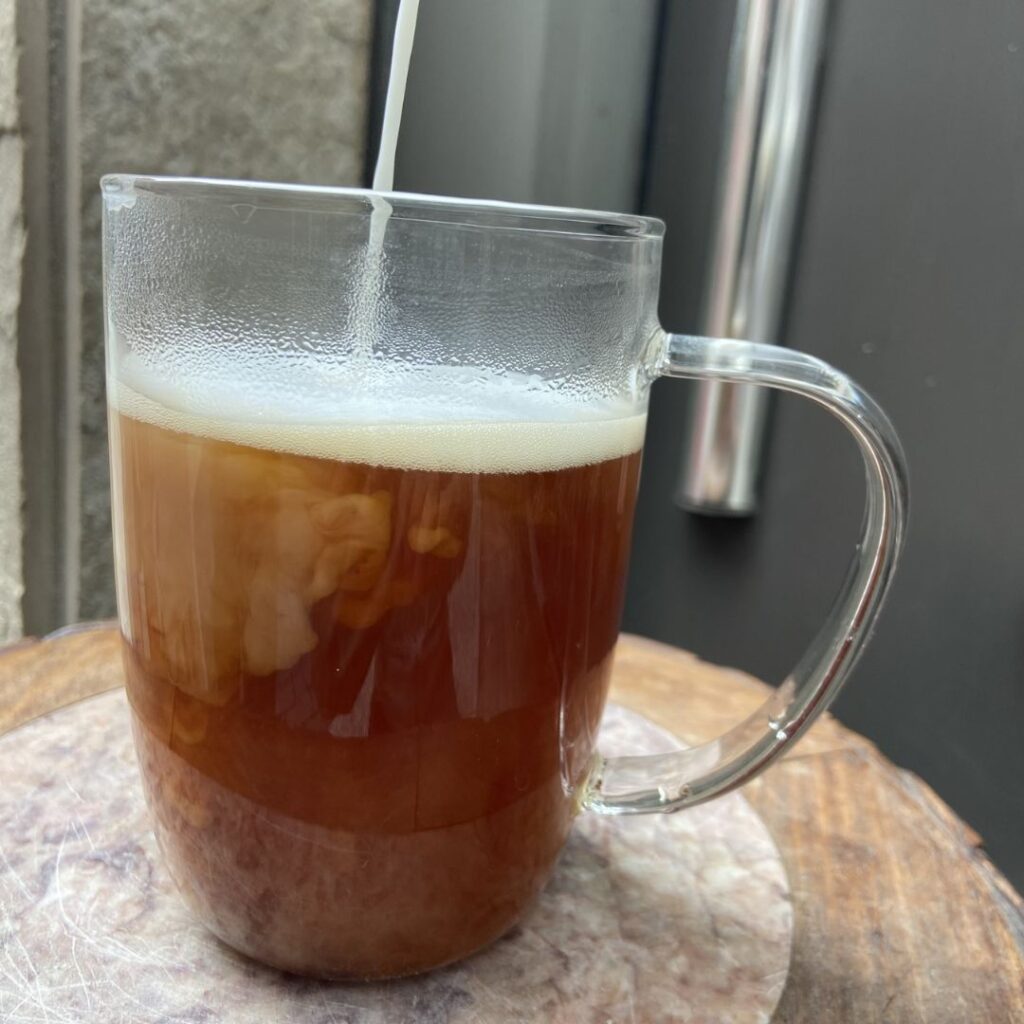
None of our teas refer to demons or wraiths. Gargoyles? No dice. But we’ve got dragon teas! And our Smoky Dragon black is a doozy. This beast of a tea combines bold smoky black tea with vanilla. Start the day with it—it’ll rouse you! Sip it all afternoon—it’ll fuel you! And make sure to celebrate Halloween with a cup or pot of this special dragon elixir.
Halloween Teas: Twilight Oolong Tea
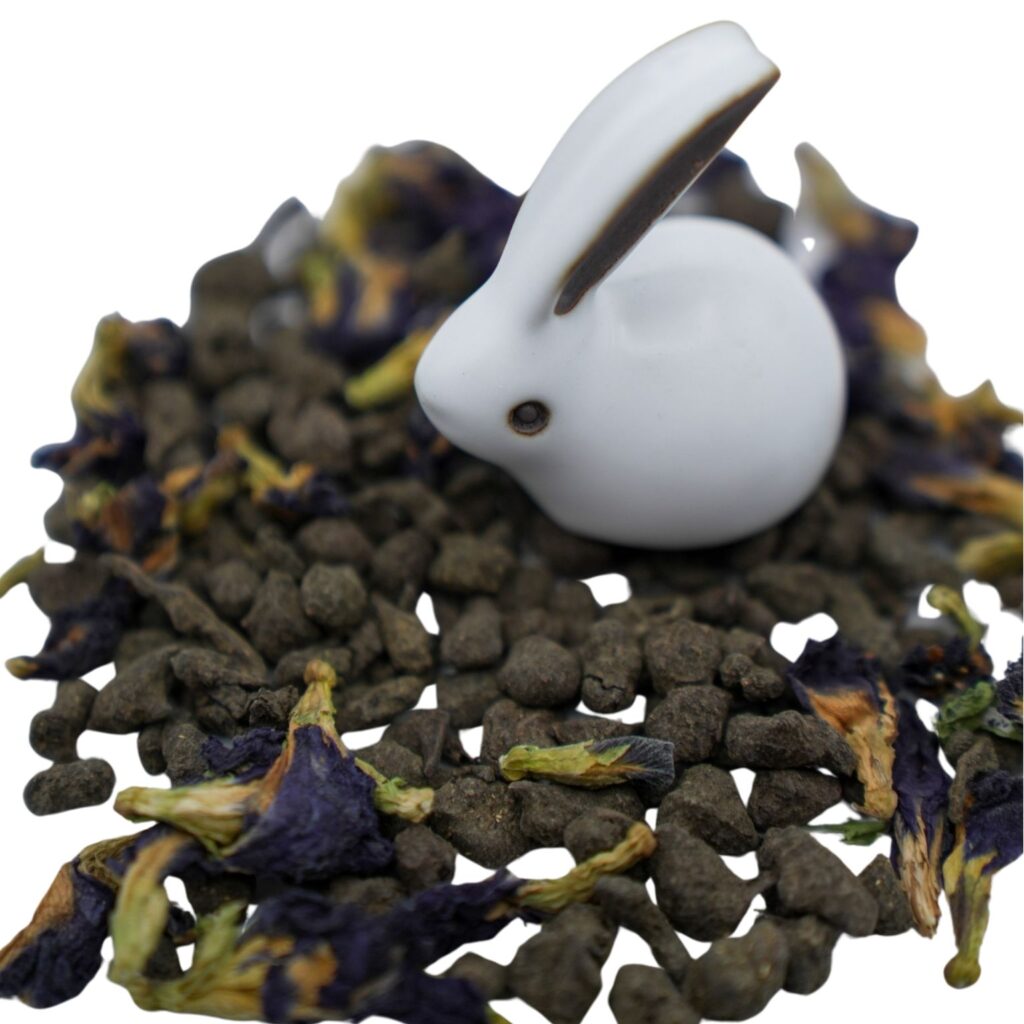
Halloween would not be Halloween at Ku Cha House of Tea without calls for our guests to sip oolong during the frightful holiday. Why oolong? Boolong! That’s why. We just love saying boolong! And we think this oolong rings especially true for the October holiday—it tends to unfold just as twilight spreads across neighborhoods. Our Twilight Oolong also contains blue butterfly pea flower, a botanical that turns from bluish to deep purple—costume change!—with the addition of an acid like lemon juice. Brew this beaut, add a drop of lemon to your cuppa and watch the whole thing change color. Pro tip: Perform the transformation in a clear mug.


