
Savor the Longest Day: Summer Solstice Teas to Brew Again and Again
We stand poised on a precipice today. Sunlight will bathe our Front Range world for exactly 15 hours, from 5:32 a.m. until 8:32 p.m. On Sunday, the summer solstice, the balance of light inches up to 15 hours and one minute. That’s the year’s longest day.
And then, each day’s length shortens until the winter solstice, on December 21.
Cultures around the world identified the solstices millennia ago—and they marked them with celebrations. We rejoice in celestial-born commemorations.
Religion, tradition, history and other factors serve as the foundation for a colorful diversity of festivals and observances. But for the most part, they lack threads that unite all people. Traditions tied to the heavens, though, share that bind. Practices may diverge from one another, but the engine behind them—what’s happening up there in the big sky—remains the same.
Turning to Tea for Summer Solstice
We mark the solstices, of course, with tea—we even carry a blend called Summer Solstice! In winter, we sink into brooding, bold teas; into elixirs that light inner fires during cold mornings and soothe us in the evenings. Our winter solstice teas represent the kind of brews we drink across the dark months.
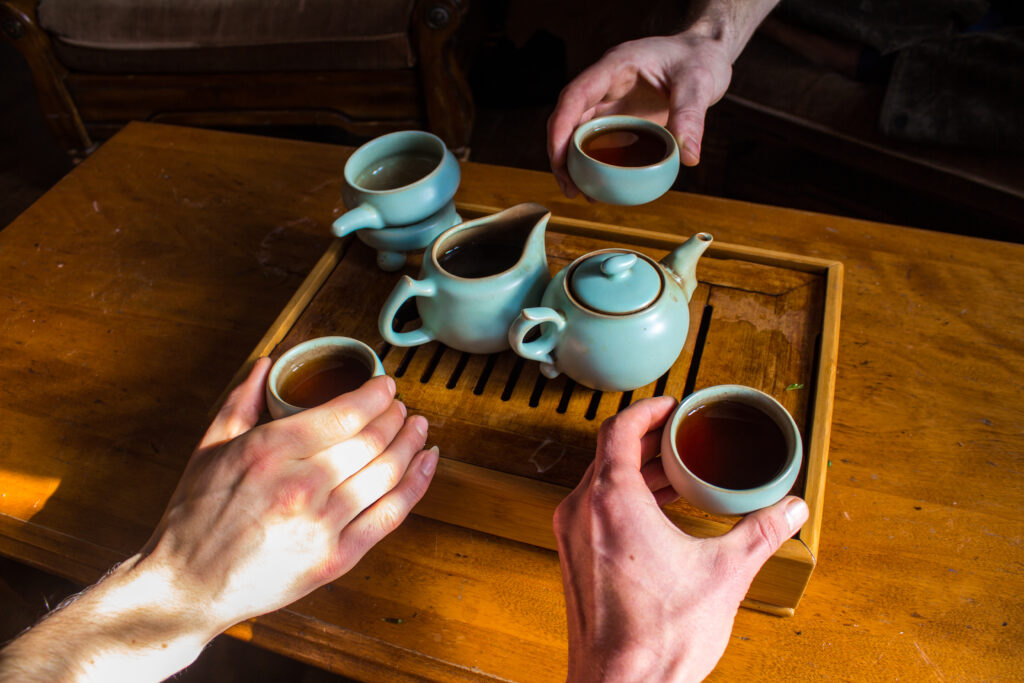
The summer solstice, on the other hand, compels us toward lighter teas. It also reminds us to drink gong-fu style. That’s the Chinese way of savoring tea, in which tea leaves get brewed repeatedly. Each steeping yields tea with different flavors.
Why gong-fu? Because just like the solstice’s (and summer’s) long days, gong-fu stretches out the tea sipping experience!
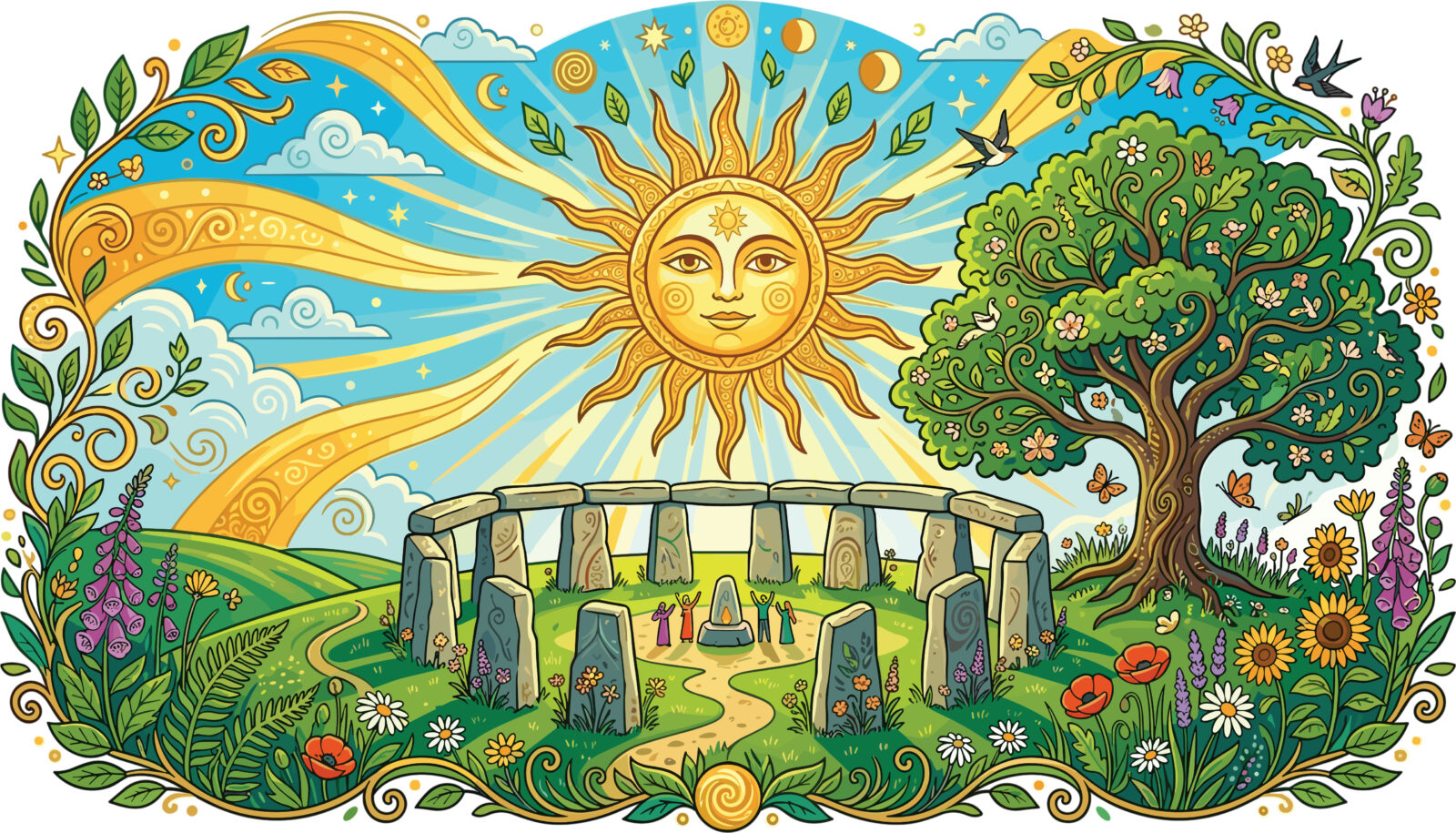
Solstice practices around the world don’t touch on tea much. Scandinavians erect may poles during what they call Midsommar, and feast and dance until the sun barely sets. In China the solar term Xiàzhì, which means summer’s peak, does persuade people to honor the day with tea, especially cooling brews like chrysanthemum; they also enjoy a three-day holiday. Crowds still gather at Stonehenge in England and watch light wash over the big stones, the design of which is tied to the solstices. One thing all of these celebrations share is a simple, radical notion to slow down on the year’s longest day and savor it.
So happy summer solstice. Savor it!
Summer Solstice Teas: Sui Yue Liu Xiang
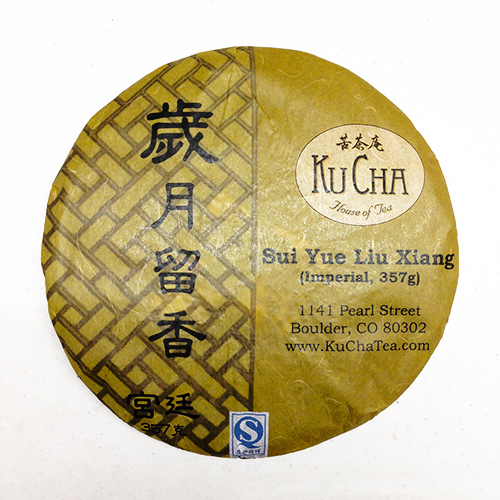
What a glorious way to mark the year’s longest day! Meaning “The Fragrance of Age,” Sui Yue Liu Xiang serves as an ideal candidate for re-infusing repeatedly. A dozen times? Absolutely. Hailing from LinCang County in Yunnan Province, this pu-erh—pu-erhs are China’s unique and fermented teas—brews smooth and earthy, with notes of both pipe tobacco and citrus. Artisans make this tea from Imperial or Gong Ting Grade pu-erh—translation, exceptional tea. In addition, it’s well-served by Colorado’s dry climate. Tea fanatics collect pu-erhs, and age them in the manner of wine; they gain complexity over time. Get your summer solstice on with this gem.
Summer Solstice Teas: Tiger Mountain
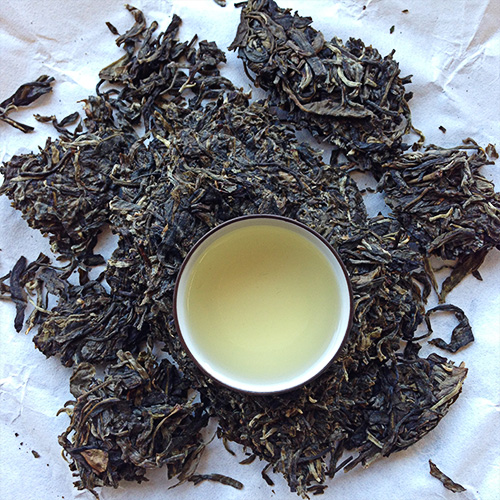
Its leaves come from wild tea trees, and it brews with a strong Cha Qi (tea energy). Meet our Tiger Mountain, a young raw pu-erh (2017) from Tiger Mountain in LinCang County, Yunnan Province. Brew Tiger Mountain, and behold a bright, complex, bittersweet sipping experience shot through with pear fruitiness. As with Sui Yue Liu Xiang, Tiger Mountain pu-erh ages wonderfully.
Summer Solstice Teas: Tie Guan Yin Oolong
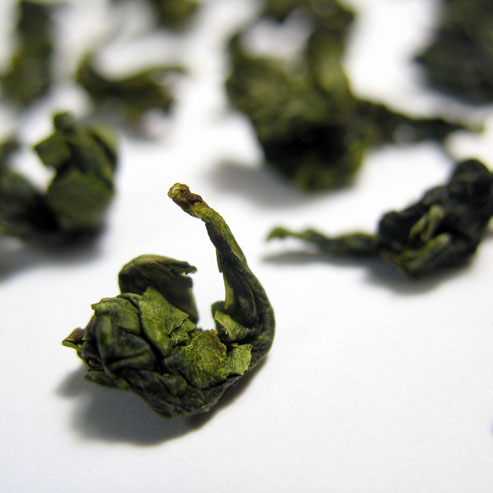
People engage with gong-fu through many kinds of teas, including the pu-erhs detailed above. But oolong gets the gong-fu treatment more than any other style. And we think brewing Tie Guan Yin, one of China’s most famous teas and known as “Iron Goddess of Mercy,” on the summer solstice does the celestial event justice. From Fujian Province, Tie Guan Yin has a sweet and floral fragrance, a bright taste and a smooth finish, with sweetness lingering in the mouth. It takes winningly to multiple infusions, making it a fantastic summer solstice sipping choice.
Summer Solstice Teas: Oriental Beauty Oolong
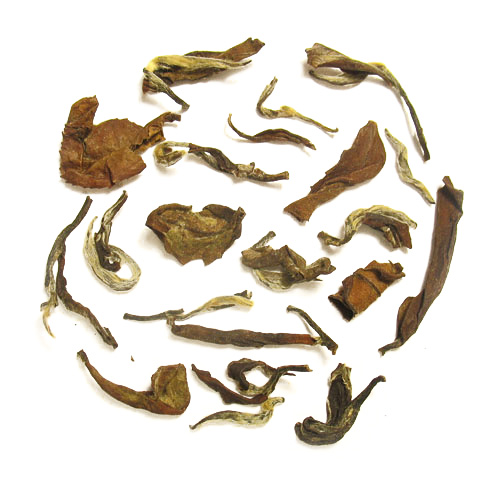
Pro tip: Insect bites can make for grand tea. Consider Oriental Beauty oolong, also known as Bai Hao. This famous Formosa oolong, from Taiwan’s Mount Ali, gets nibbled by green leaf hoppers, a species of insect that revolves its diet around tea leaves. It’s also highly sensitive to chemicals, meaning Bai Hao farmers can barely even look at an agricultural input without their prized leaf hoppers … hopping away. The leaves, reminiscent of fall foliage, get harvested in the summer, then are oxidized a fair bit—more than most Taiwanese oolongs. The final result—after the insect feasting and the oxidation—offers a smooth and sweet flavor, with virtually no astringency. It also broadcasts a unique aroma of ripe peaches and honey.
Summer Solstice Teas: Shou Mei White Tea Cake
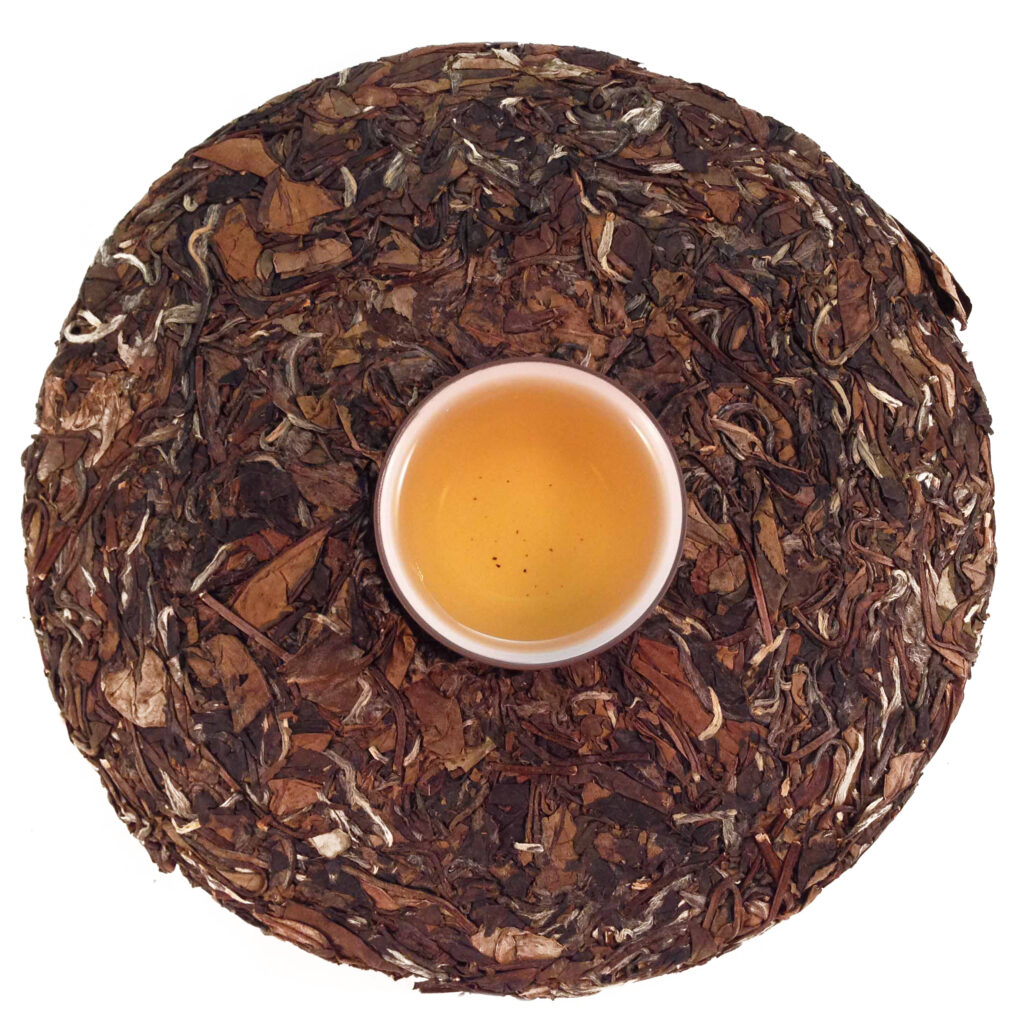
Fujian Province strikes again, with Shou Mei White Tea Cake, also known as “Old Man’s Eyebrow.” One of Shou Mei’s claims to fame is its medicinal benefits, including immune system strengthening, and mild detoxification attributes. It also contributes toward skin vitality. As with the pu-erhs, it comes in cake form, and responds quite well to aging; in addition to evolving flavors, aging the tea concentrates the medicinal benefits. And for summer solstice, brew it repeatedly! The flavors and aromas brought about through brewing shift with each immersion in hot water.
Summer Solstice Teas: Summer Solstice Blend
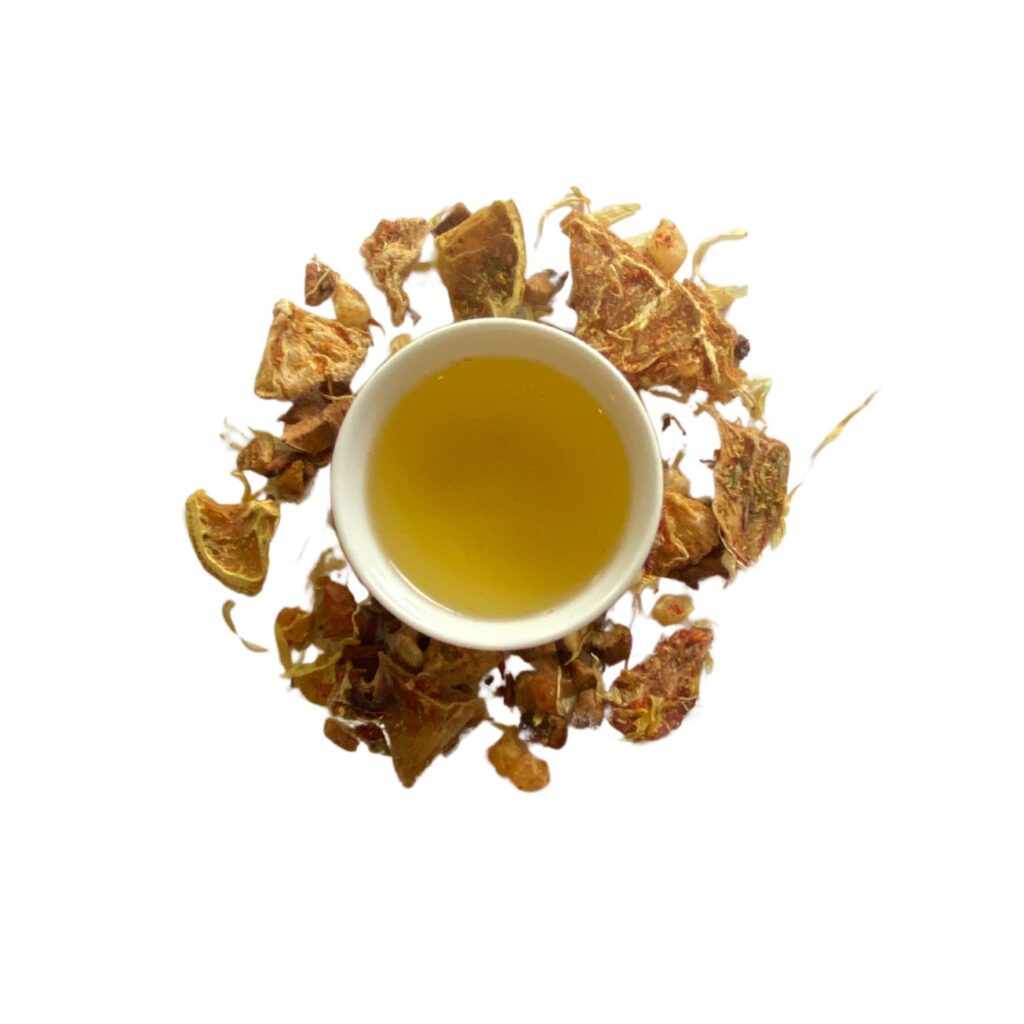
Here’s a tea we designed explicitly to align with summer solstice vibes. Our Summer Solstice Blend combines mango, orange, pineapple, strawberry, apple, marigold and strawberry leaf for a summery taste sensation. In addition to vibrant, sweet tropical flavors, this tea comes loaded with vitamin C and beta-carotene, which promote skin health, immune system functioning, skin vigor and vision clarity.
Happy summer solstice!
