

Choosing Daily Teas That Turn Into Easy Winter Habits
From Black Friday through New Year’s Eve, many of us wrestle with aggressive demands for decision-making. Choosing flotillas of gifts. Figuring out which cookies to bake, and what to prepare for holiday parties. Juggling party invitations, experimenting with new holiday decorations and toiling over thank you notes.
It’s exhausting. Time to relax.
But the step from one year to the next always invites yet more deliberation—people feel compelled to draft lists of New Year’s resolutions. They pledge to invite more rigor in their lives, to stick to activity streaks (today’s 20 minutes of meditation—done!), to steer clear of all sorts of culinary offerings (hello Dry January).
Exhausting? In its own way, yes.
We understand and appreciate the practice—we even applaud it. But we also encourage people to sink their shoulders, put away those checklists and find some blessed routine.
Find Your Tea Anchors

Consider tea. Yes, the world’s best beverage includes thousands of iterations, from simple grassy greens to complex and spicy chais. The wealth of choices can daunt. But the vast inventory also offers the potential for reliable, daily anchors. With so many options, surely some will resonate.
We’re here to help! We only carry teas that we love, but our inventory surpasses 250 teas. Asking you to pick through them to find faves defeats our January purpose of aligning you, easily, with routine.
So here’s a trio of winter-forward teas that we think will likely please with the first sip, and turn into daily habits—at least across the cold months.
Cheers to finding your daily teas—and to your easy-peasy routine!
Teas for Daily Sipping: Dark Chocolate Pu-erh
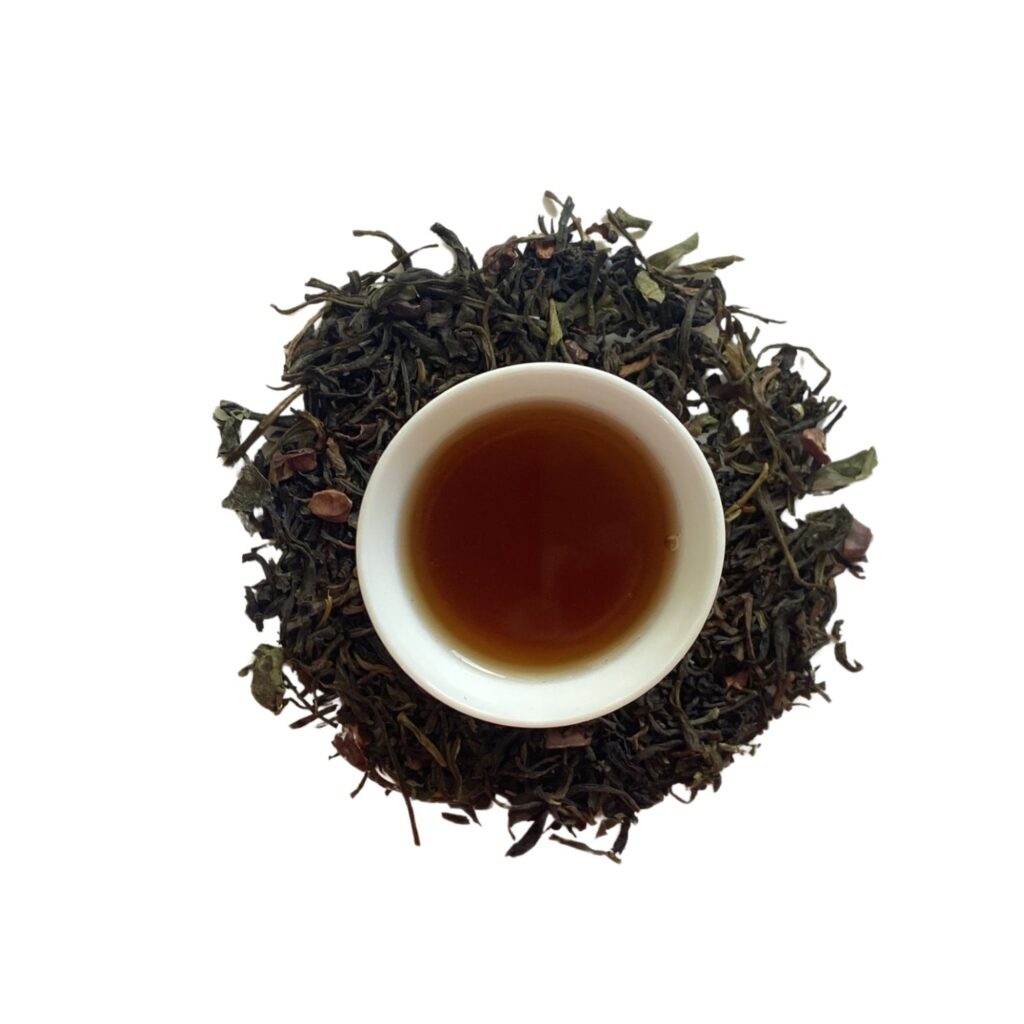
Sometimes we yearn for the simple thing—the glass of sparkling water, vanilla ice cream. But there’s something, too, about complexity that keeps us coming back, again and again, for more. That’s where our Dark Chocolate Puerh dwells.
A pair of Camellia sinensis teas—puerh and black—anchor the blend with robust depth (black) and earthy oomph (puerh). To that we add cacao nibs, for whispers of cocoa to complement the base teas. The blend sees whispers of vanilla, which as everybody knows marry marvelously with chocolate. And then comes something unusual for most Western palates—sweet rice herb. This Asian herb, amazingly, proffers flavors and aromas similar to the king of grains in most of Asia: rice.
Brew this, perhaps consider making it silky with a creamer of some sort. Sweeter? Sure—add a tiny bit of honey or whatever you prefer. Talk about a wonderful way to start the day—especially for the long months leading up to spring.
Teas for Daily Sipping: Golden Monkey Black Tea
For many tea drinkers, the brew of choice fixes on a single type of classic Camellia sinensis, rather than a blend. Many people in Japan find a sencha they adore, and stick with it every day. In England, tea preferences generally dance with black teas from India—those English, Irish and Scottish “breakfast” teas all count as hefty black teas.
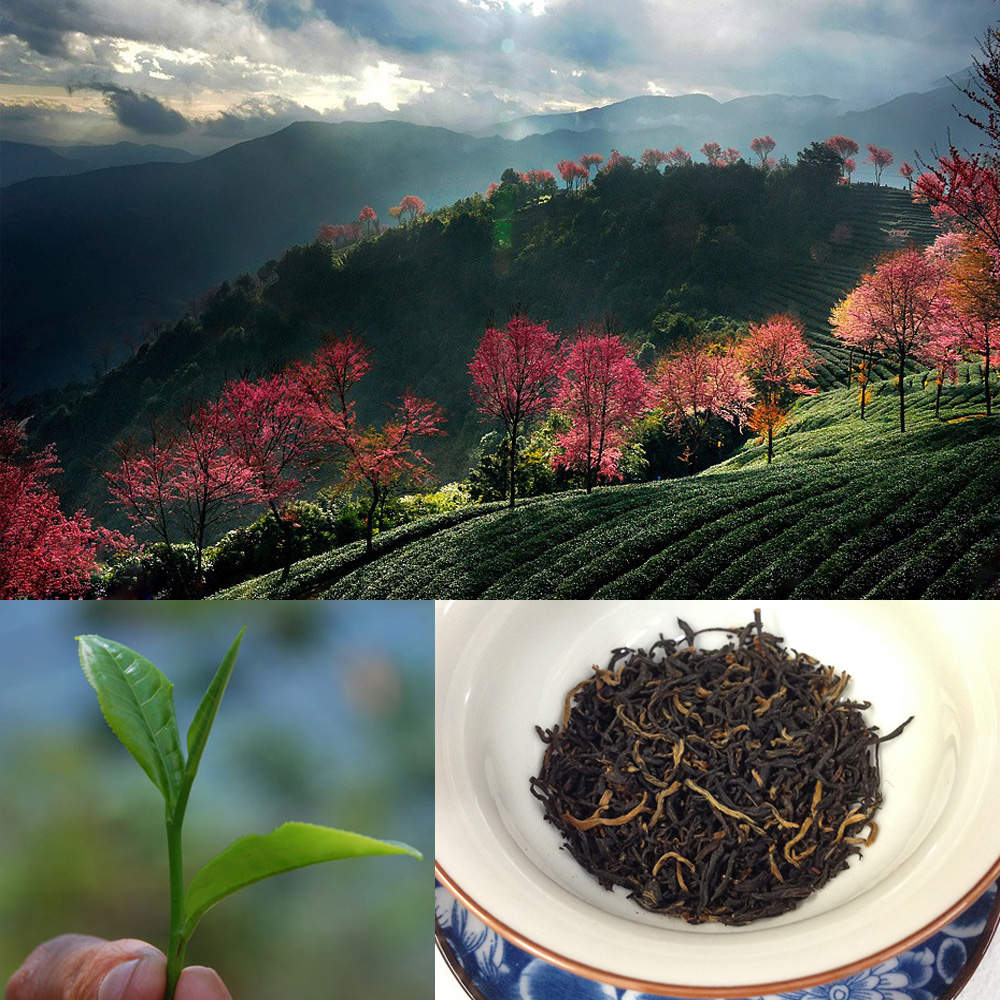
We love Golden Monkey Black tea, from China’s tea-dense Fujian Province. It’s called Golden Monkey because the elongated leaves project both black and gold colors. Once brewed, this beautiful tea broadcasts a golden-amber color, with smooth, sweet tastes up front followed by a slight bitterness. And then it transforms into a delicate lingering sweetness. Even though it contains just one ingredient—tea—its perfume smells somewhat chocolatey and malty.
Perfect for every day sipping? 100%.
Teas for Daily Sipping: Osmanthus Oolong
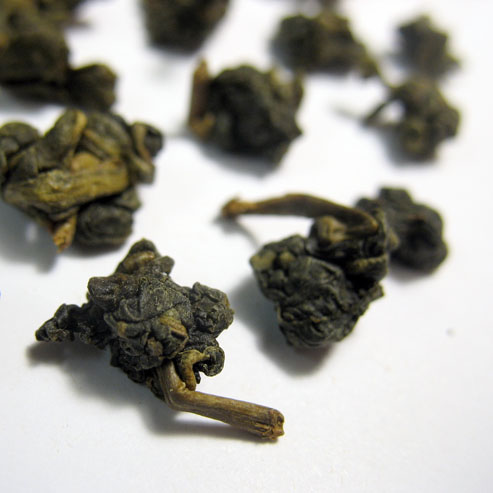
As tea merchants, we of course sip quite a bit of tea at home. The style of choice, often, is oolong. With oolong, the all-important oxidation level—the factor that most dramatically separates green, white, black, oolong and puerh teas from one another—ranges somewhere in the middle. The result? Teas with a huge range of flavors and aromas.
People across Asia thrill to osmanthus, an extremely aromatic flower with apricot-like notes (it’s often tapped in perfumes). It gets tapped for use in cakes, liquors—even soda (there’s an osmanthus Pepsi). But it’s most widely used culinary application? Tea. We think oolong paired with osmanthus blossoms stands as a stunning duet.
Our Osmanthus Oolong balances the oolong and osmanthus with particular savvy. As a result, we routinely drink this beauty. You will too!
