
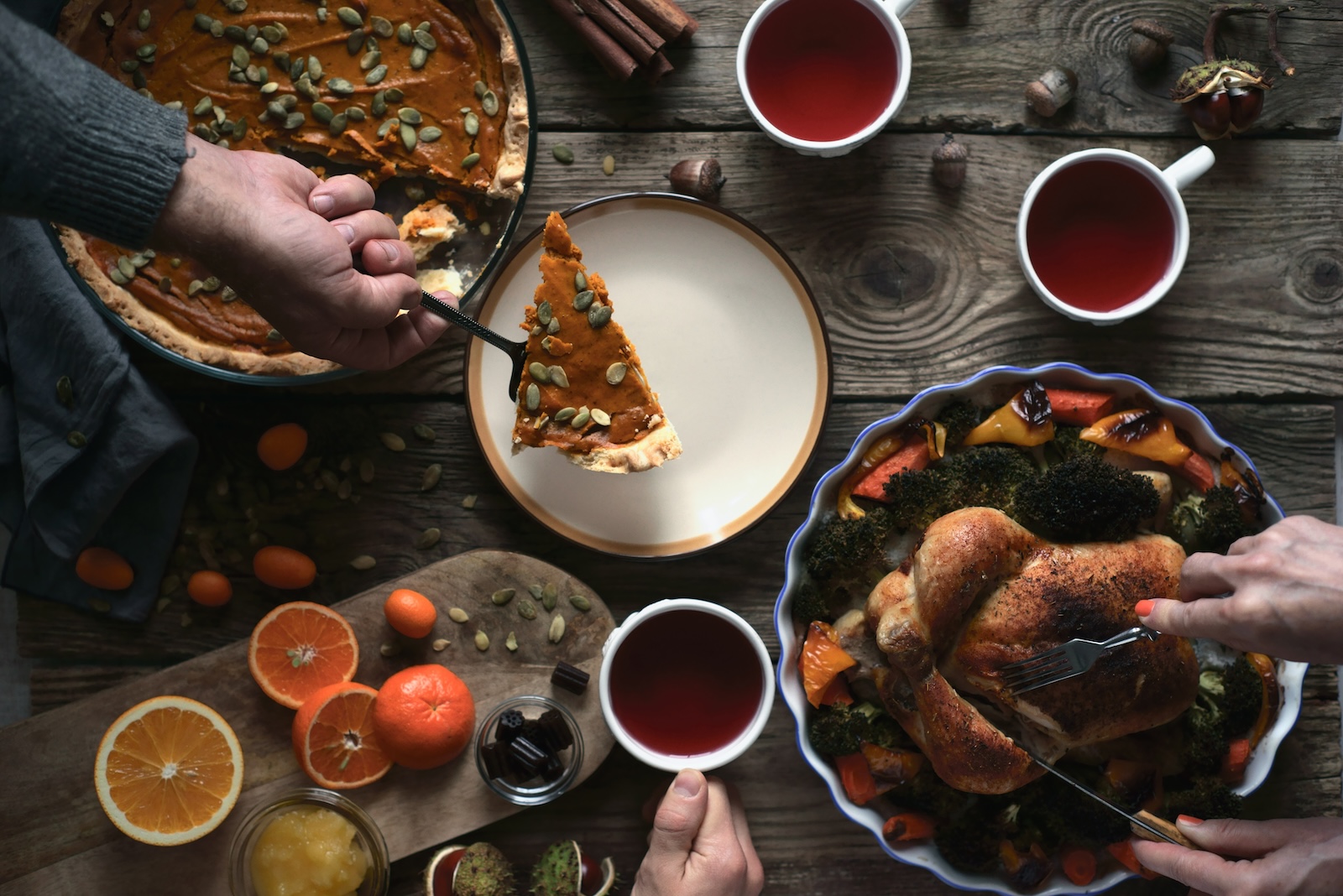
Overstuffed? These Teas Help Calm Post-Feast Digestion
Guests head to the serving table, which groans under the weight of the stuffed turkey and mashed potatoes, of the stuffing, cranberry sauce, green bean casserole, tamales, gravy, creamed corn, dinner rolls, sweet potato casserole, pumpkin pie, pecan pie and plenty more. They then cart their heaping plates back to the table. Eat every crumb. Return to the cornucopia for another helping. Some even head back for third and fourth servings.
All along, many of them drink wine. Cider. Cocktails. They may have even pre-gamed Thanksgiving with beer and Bloody Marys.
We’re experiencing indigestion just thinking about the feast. We love Thanksgiving, of course. The annual gathering showcases many things we only eat once a year; the tradition makes everything seem special. But we could do without the intestinal distress!
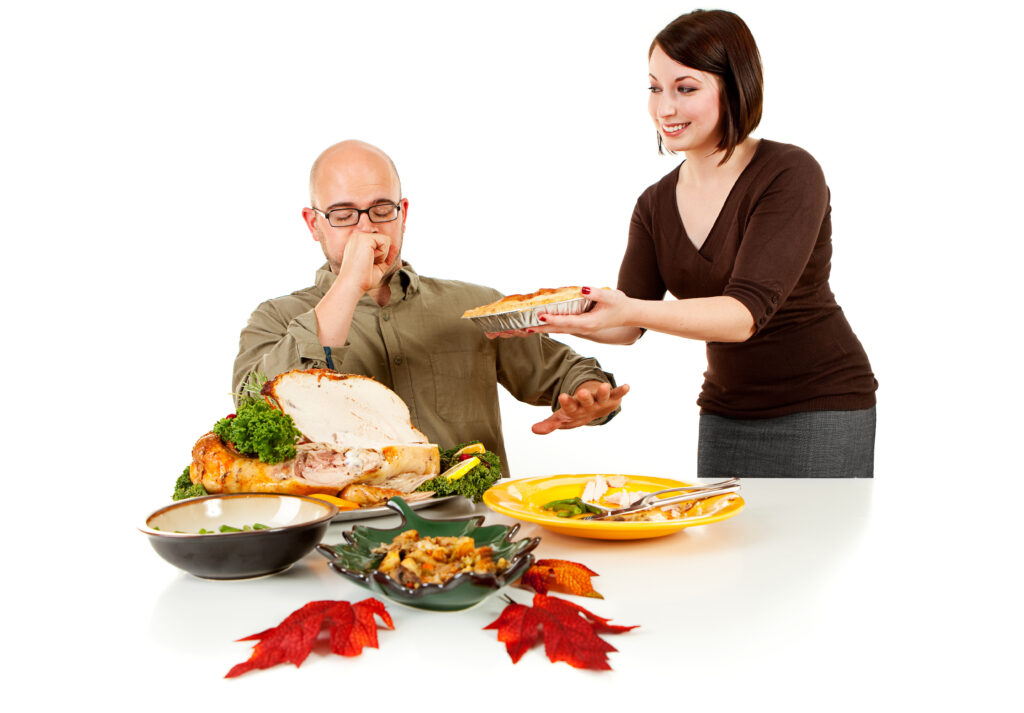
Here’s an easy fix: serve tea after the meal. Specifically, teas championed for their abilities to calm roiling stomachs and smooth out digestive processes experiencing stress. Tea comes with so many digestive advantages. Some traditional Camellia sinensis styles—one in particular, pu-erh—address stomach wellness. Many blends include botanicals well-known for calming roiling tummies.
With Thanksgiving just a week away, you’ve still got plenty of time to prep for the inevitable postprandial torpor and discomfort. Pro tip: Sip these teas for days after the meal. It’ll take that long to get your digestive tract back on track after the engorgement!
Post-Thanksgiving Digestion Teas: Dark Chocolate Pu-erh
We adore extolling pu-erh, the most widely known fermented tea in the world. The style, which tea farmers in China’s Yunnan Province created centuries ago, takes two forms, raw and ripe. The OG style, raw, involves shaping tea leaves into bricks and letting age do its thing. Over time, fermentation takes place and the leaves gain a range of flavors. With ripe pu-erh, artisans jumpstart fermentation by gathering the tea leaves into piles, a process called “wet-piling.” Once the fermentation begins, the tea often gets shaped into cakes. As with raw pu-erh, flavors unfurl over years. Either way, they both get fermented—a step that gives pu-erh its digestive advantages.
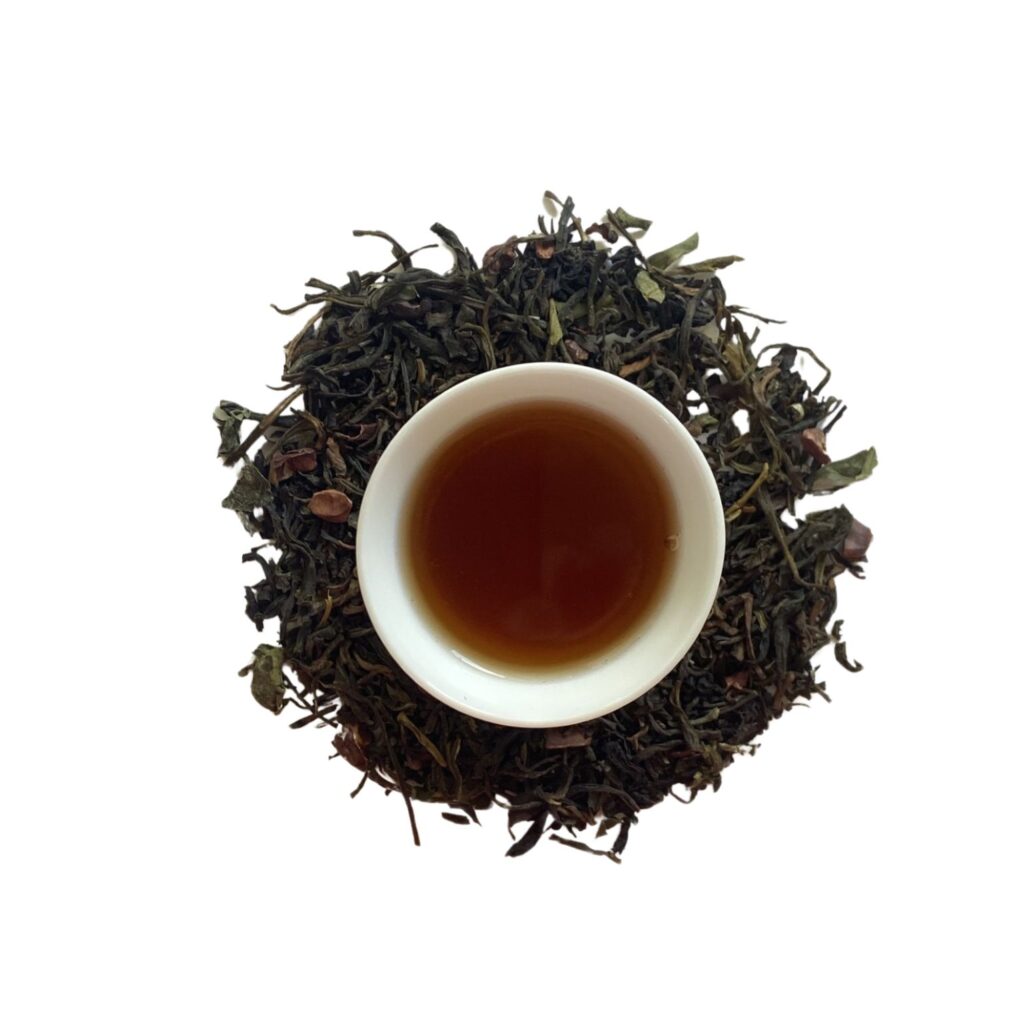
Our Dark Chocolate Pu-erh also contains black tea, cacao nibs, rice herb (an herb that tastes like rice) and vanilla. Altogether, it ranks as a taste sensation, while simultaneously lending digestive tracts a hand. In addition, both the pu-erh and cacao provide health benefits. Win-win!
Post-Thanksgiving Digestion Teas: Monkey Bread Pu-erh
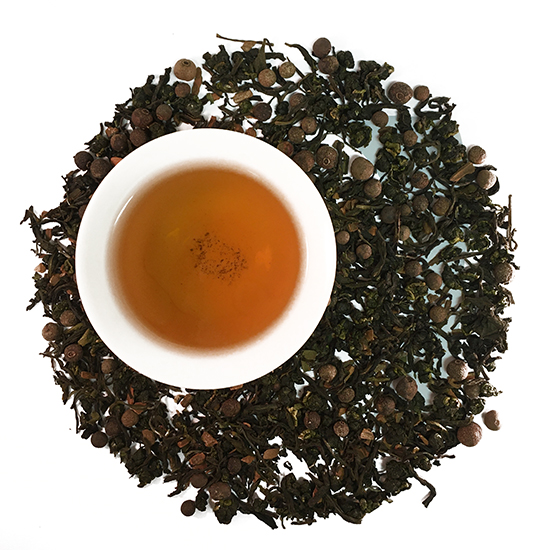
Pu-erh rises again—we carry a wide variety of them—and this time the flavors touch on Thanksgiving’s baking spice foundation. This pu-erh contains three Camellia sinensis teas—pu-erh, creamy milk oolong and black. For caffeine-sensitive people, sipping it prior to the feast might stand as a wiser choice than savoring it after the meal. Either way, this wonderful tea delivers the benefits of pu-erh, along with cinnamon and allspice—two signature Thanksgiving flavors. The spices also give the bakery classic monkey bread its bold punch of flavor.
Post-Thanksgiving Digestion Teas: Firefly Chai
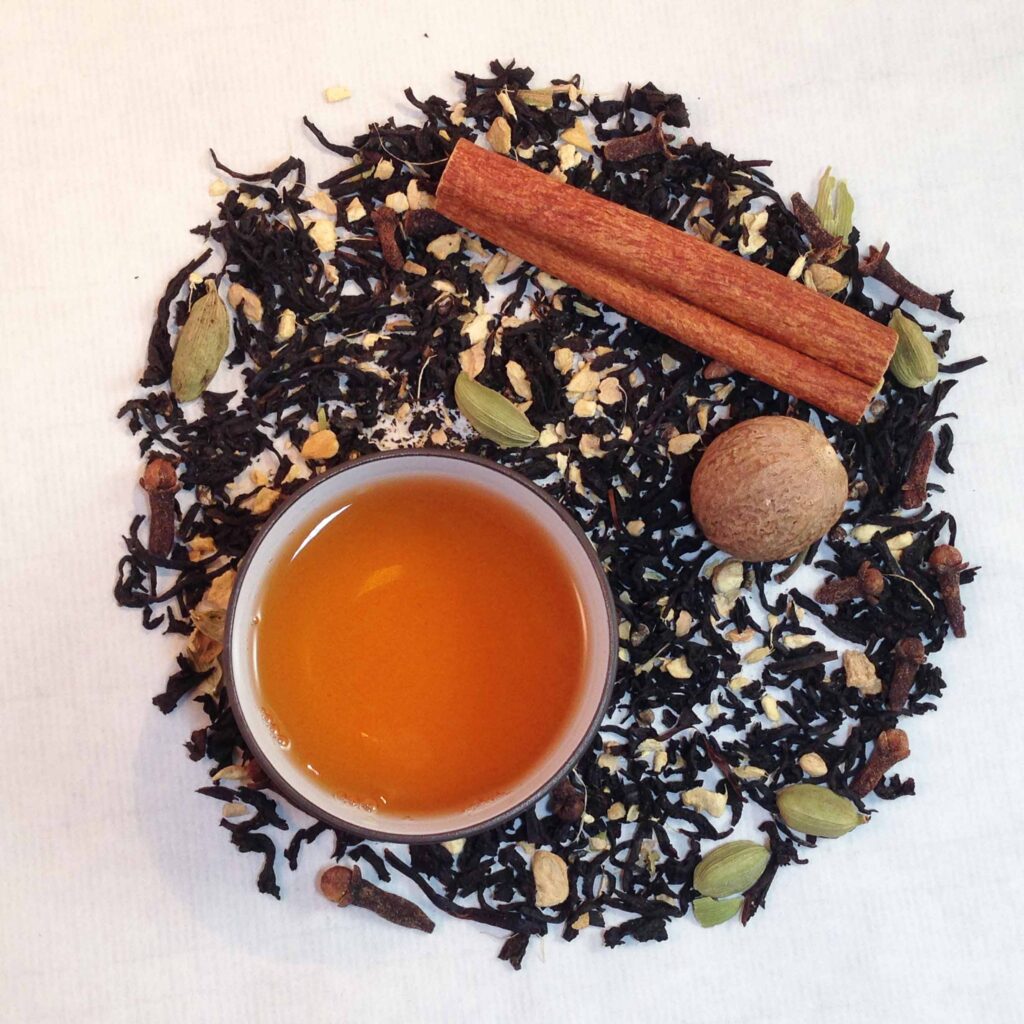
With its diversity of flavors from so many potential ingredients—everything from cayenne to turmeric and bay leaves—chai basks on the Thanksgiving table. Our Firefly Chai combines black tea with ginger root, cinnamon, cloves, cardamom, vanilla and nutmeg, a potent suite of strong flavors. In addition to the culinary benefits that a cup of hot chai can incorporate into a Thanksgiving meal, the botanicals also aid digestion—especially ginger root and cinnamon. Cheers to sipping chai for Thanksgiving—your taste buds (and belly) will dance with delight.
Post-Thanksgiving Digestion Teas: Rooibos Cinnamon
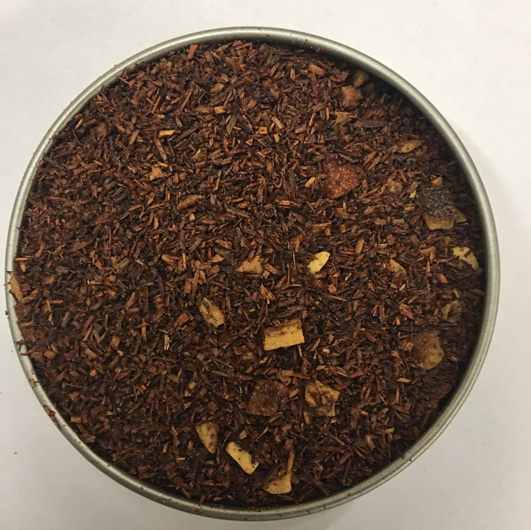
This tea’s main ingredients, rooibos and cinnamon, deliver well-documented digestive advantages to any tea party—especially one taking place on the Thanksgiving table. Rooibos contains flavonoids like quercetin and aspalathin, which researchers think may help relax smooth muscles in the intestines and ease abdominal cramps. In addition, rooibos’s rich antioxidant profile can help reduce oxidative stress and mild gastrointestinal inflammation.
Practitioners of traditional medicine have turned to cinnamon for literally thousands of years to mitigate effects of poor digestion. Traditional Chinese and Ayurvedic medicine both hold that cinnamon warms and stimulates the digestive system after a heavy meal. Cinnamon also can ease gas, bloating and general stomach upset.
The argument for our Rooibos Cinnamon tea on the Thanksgiving table gets even stronger, however. For one, it’s caffeine-free—nobody is going to sip a cup and then stay awake all night. In addition, the blend’s inclusion of orange peel and cloves ups the flavor ante. Combined with cinnamon, it’s a taste explosion.
Post-Thanksgiving Digestion Teas: Ginger Refresh
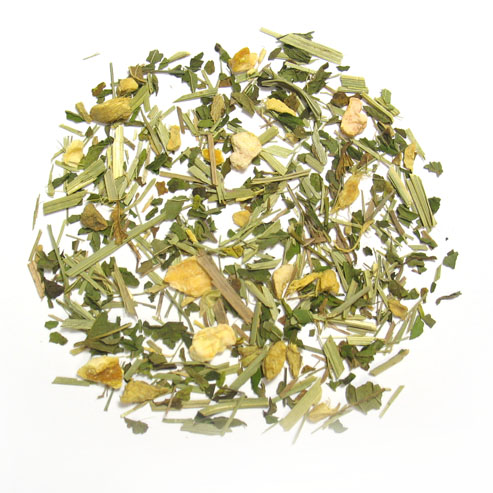
With ginger, peppermint and licorice, this blend represents a digestion powerhouse. All of the botanicals can aid digestion. Our hyper-popular Ginger Refresh also includes lemongrass and lemon peel, for additional flavor nudges. We believe this may stand as one of the finest companions for any Thanksgiving table. It doesn’t contain caffeine, it’s delicious and the components work wonders on digestion. But it also serves as a caffeine-free pick-me-up! The ginger, in particular, can be used to revive flagging energy—just ask the traditional Chinese medical practitioners who have turned to it for centuries for energy.
