
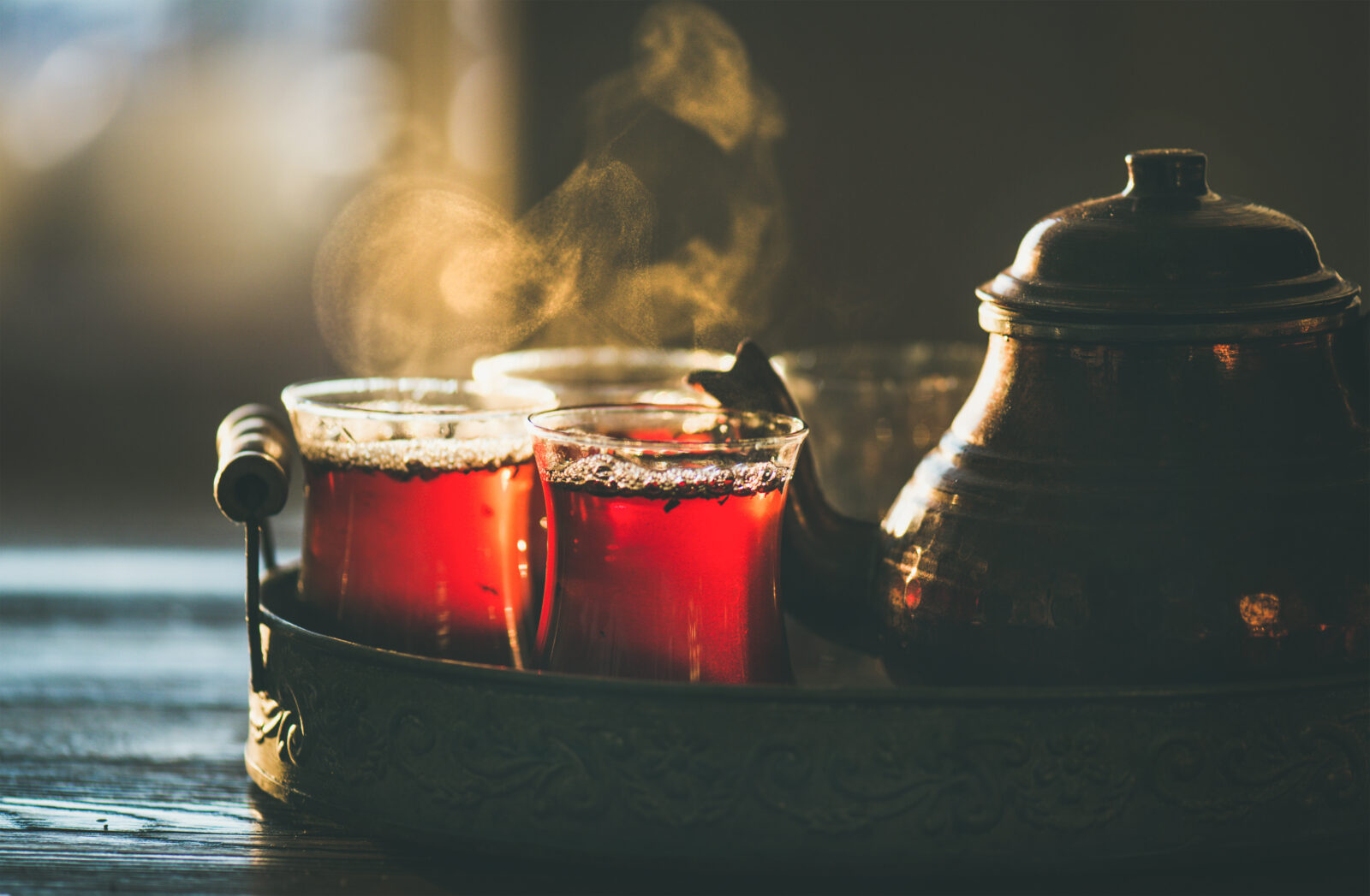
Embrace the Dark Season With Black Tea
Happy Halloween!
We trust your spooky Saturday delivers all that you desire on the year’s most colorful holiday. Just a day later, on Sunday, daylight saving time ends—don’t forget to turn back those clocks an hour before hitting the sack following your candy-stuffed evening.
The one-two weekend punch—Halloween and daylight saving time—brings to mind a color that both events share: black (although, we know, black isn’t technically a color).
Halloween decorates our world with orange and black. Black is the color of vampires’ capes and werewolves’ fur, of witches’ boots, ghosts’ eyes and the Grim Reaper’s hood.
The end of daylight saving time causes night—blackness—to fall earlier on our watches and phones. Just like that—snap!—it’s dark near 5, and night continues landing earlier until December 7, when sunset hits at 4:35 p.m. in Boulder, CO.
Black tea to match the holiday and season
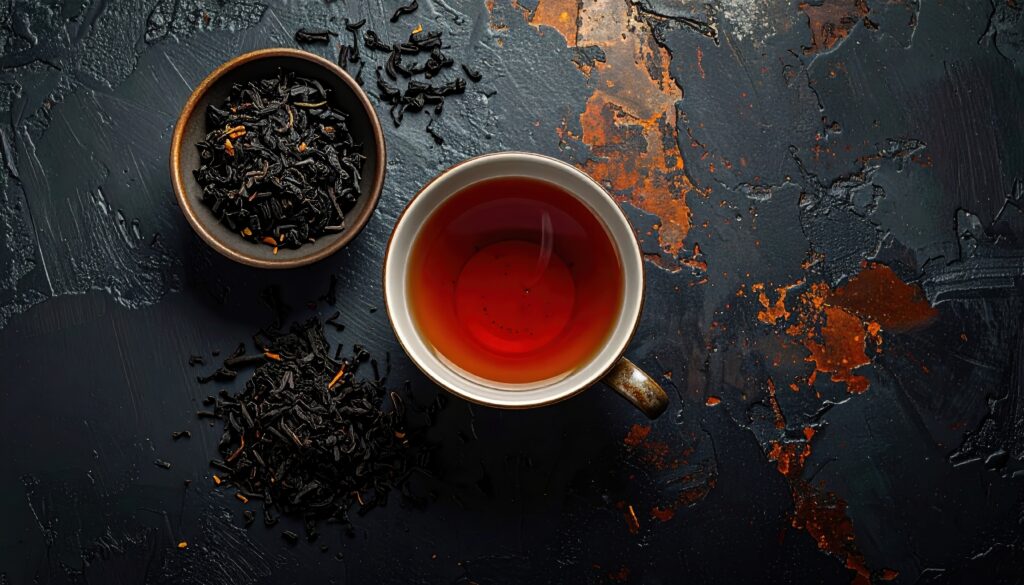
All of this ebony messaging puts us in a tea frame of mind: specifically, the realm of black teas. While black tea isn’t the oldest style—the honor goes to green—it’s the most widely consumed globally. About 75% of tea consumed around the world is black. Your iced tea? Black tea likely serves as the base. Chai? The cup you order with your diner breakfast? What you sipped during a London vacation? Probably black tea.
Farmers in India grow about 40% of the world’s black tea. Kenya ranks as No. 2, followed by Sri Lanka. Black tea can be bold and bracing, but it doesn’t have to stand as the liquid equivalent of a slap. Tea shops like ours carry a diversity of styles, a range of teas carrying notes like malt, tobacco, cocoa, smoke, citrus, dried fruit and rose.
With so many dark months ahead, let’s explore and enjoy black teas among our extensive inventory. We find them especially suitable for these colder, shorter days. The very idea of nursing a cup of black tea, perhaps touched with honey and softened with cream, floods us with joy.
Dark Months Black Teas: Assam Superior
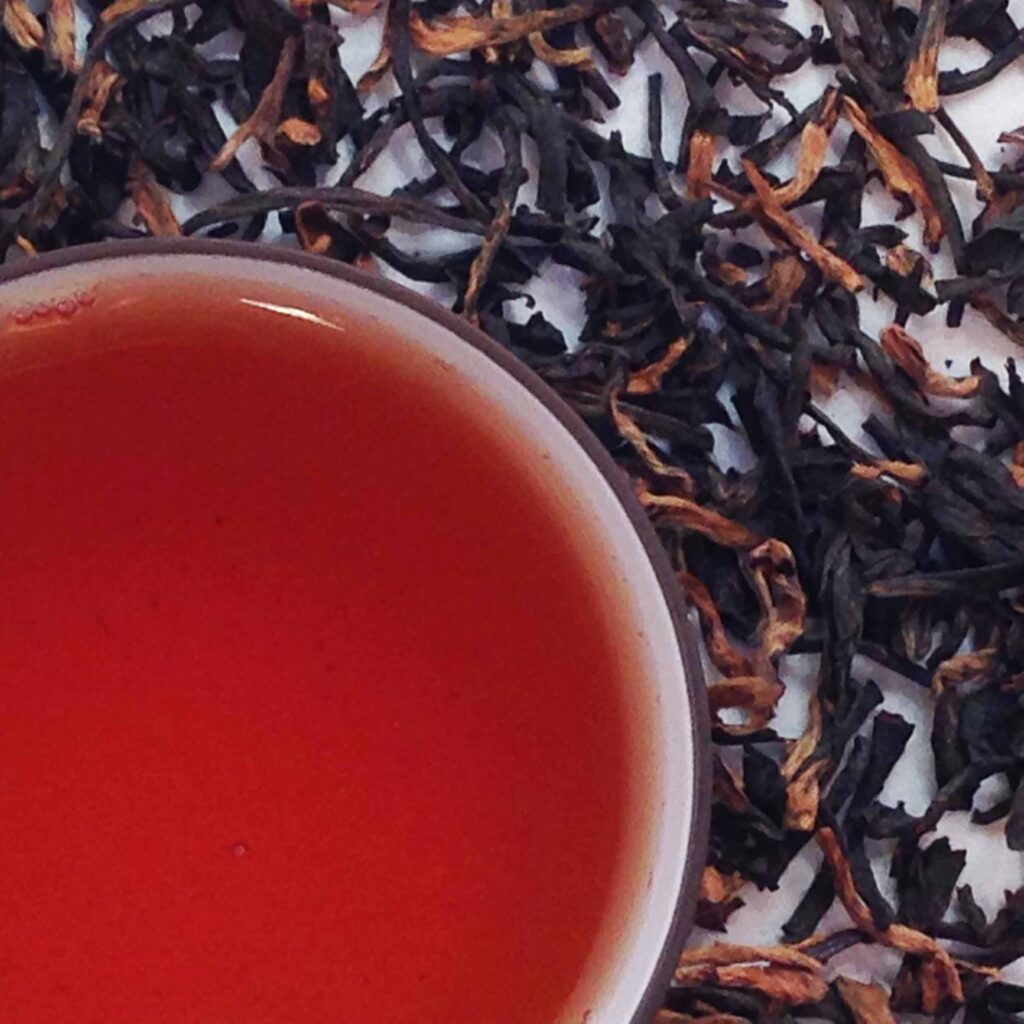
A perfect treat for the black tea aficionado, our Assam Superior comes from along the banks of the Brahmaputra River in the famous Meleng Estate in India’s lush, tropical northeast corner. A black tea doesn’t need to look like coal, and this stands as a winning example of black tea’s broad color scheme. The tea leaves sport generous golden tips, and the tea brews into a bright amber liquor. This classic Assam delivers the style’s signature maltiness, complemented by a balance of fruitiness and a chocolatey aroma.
Dark Months Black Teas: Yunnan Gold Black
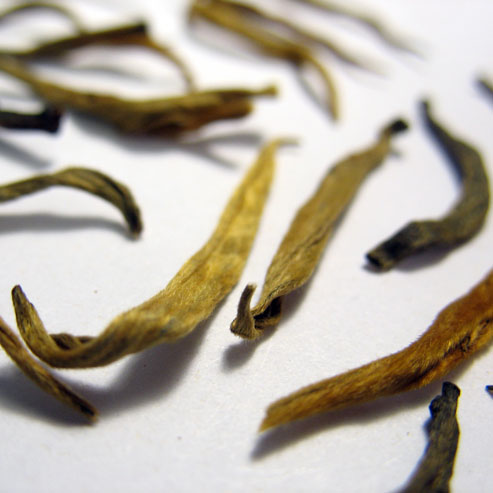
We’ve carried Yunnan Gold for many years, because it never disappoints, and never goes out of style. Farmers in Fengqing County in China’s Yunnan Province harvest only tender tips from the gold tea leaves for the special tea. Once brewed, Yunnan Gold offers a bright, rich elixir that’s naturally sweet, with honey and fruity notes. China receives worldwide acclaim for its greens, whites, oolongs and pu-erhs, but the country also grows and produces some exquisite black teas, with Yunnan Gold among them.
Dark Months Black Teas: Ku Cha Imperial Black (Organic)
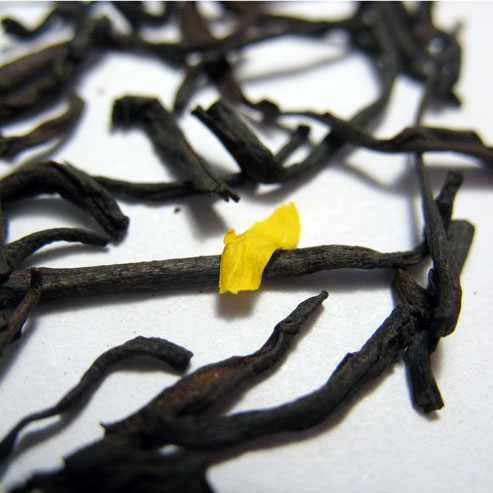
Sri Lanka, formerly known as Ceylon, represents one of the pillars of black tea production, and our bespoke Ku Cha Imperial Black leans on Sri Lankan black for its glorious base. To that we add calendula, grenadine and vanilla. Sip this lovely creamy and floral blend to begin a day—we rank it as an especially superb morning tea. Lace it with creamer and a sweetener? Go for it, and capture a classic English tea experience.
Dark Months Black Teas: Lavender Earl Grey (Organic)
People have been blending black tea and bergamot oil since at least the early 19th century. Curious about how bergamot-perfumed black tea got called Earl Grey? Theories abound. Earl Grey was Charles Grey, who also was an earl. The British Whig politician served as the United Kingdom’s prime minister from 1830 to 1834, and led a government that enacted both the Reform Acts of 1832, which expanded the U.K.’s electorate, and the Slavery Abolition Act of 1833. Why one of the most famous black teas in the world got named after the earl remains a mystery. One thing is clear, however: The tea’s popularity persists centuries later because the simple combination—black tea and bergamot—positively sings.
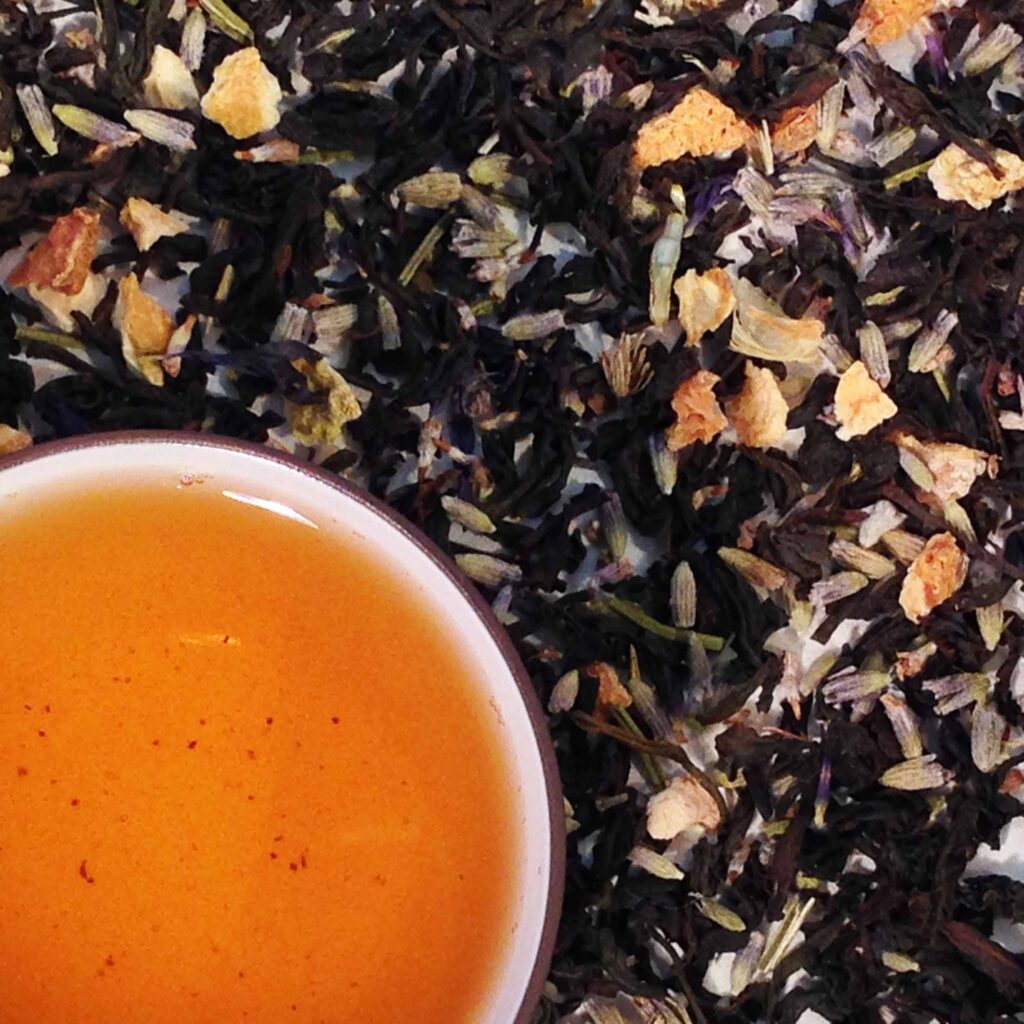
Our Lavender Earl Grey combines classic Earl Grey with cornflowers, lavender and lemon peel, yielding a stunning tea. Start your day with it, enrich your afternoon, sip it after dinner if you don’t mind the caffeine. Bolster it with lashings of sweetener and cream. No matter how you take your Lavender Earl Grey, you’ll love it.
