
Tea Is Being Harvested Right Now, and It’s Headed Your Way
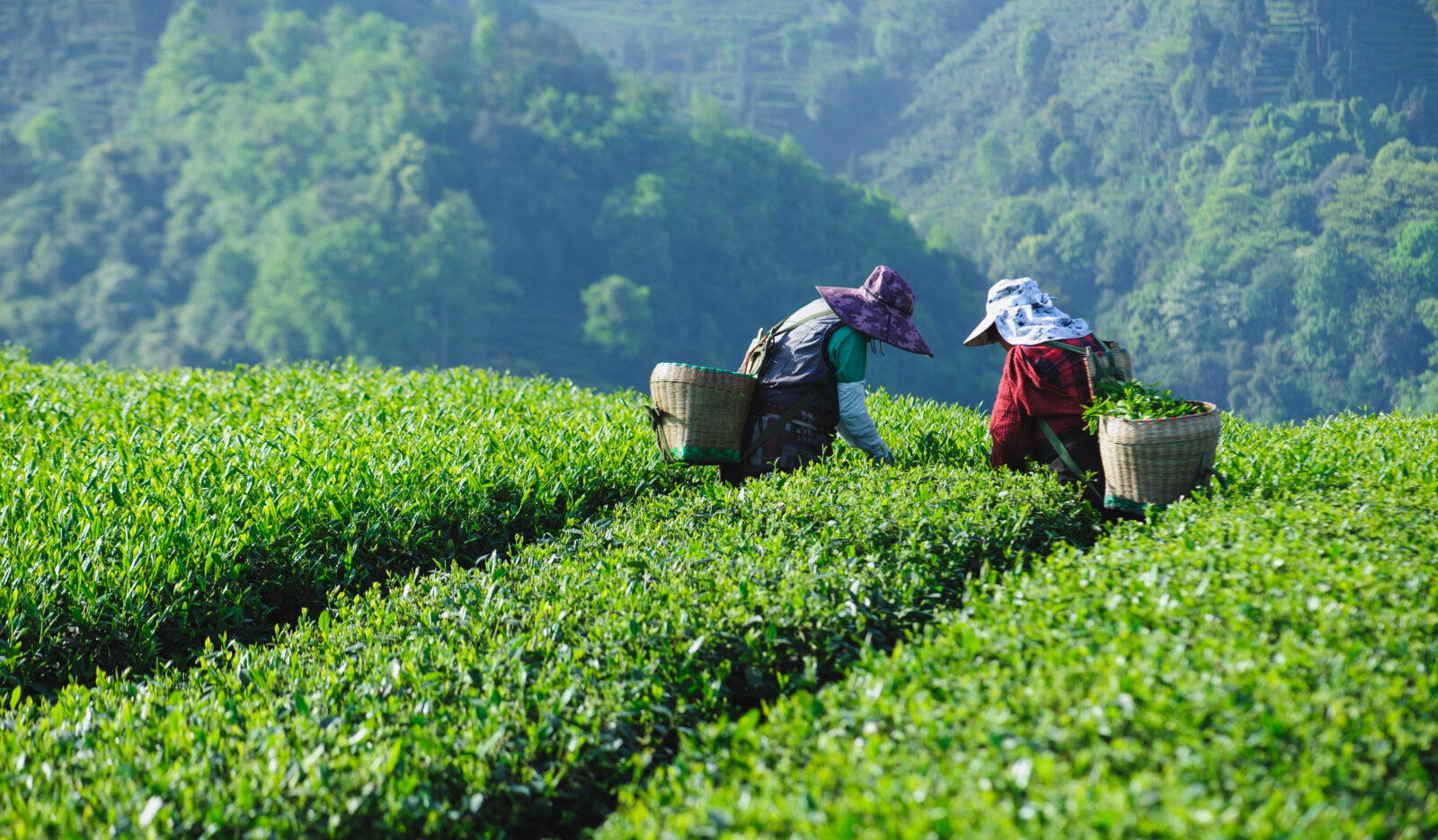
We brew it every morning, sip it across the day, maybe savor something herbal, with a small cookie, after dinner. But no matter how much we engage with tea, we too often forget that it’s an agricultural product. When we pour hot water over oolong in a pot, we’re in touch, literally, with leaves that probably were plucked by somebody else’s hands, on a plantation somewhere on the other side of the globe.
And now, farmers across Asia are deep into the harvest season. Green tea is mostly finished. But many of the rest of the Northern Hemisphere’s teas remain emerald and glorious—a vastness of tea bushes dense with leaves and buds and ready for farmers’ harvest teams to fill thatched baskets with agricultural abundance.
Harvest today includes jasmine blossoms
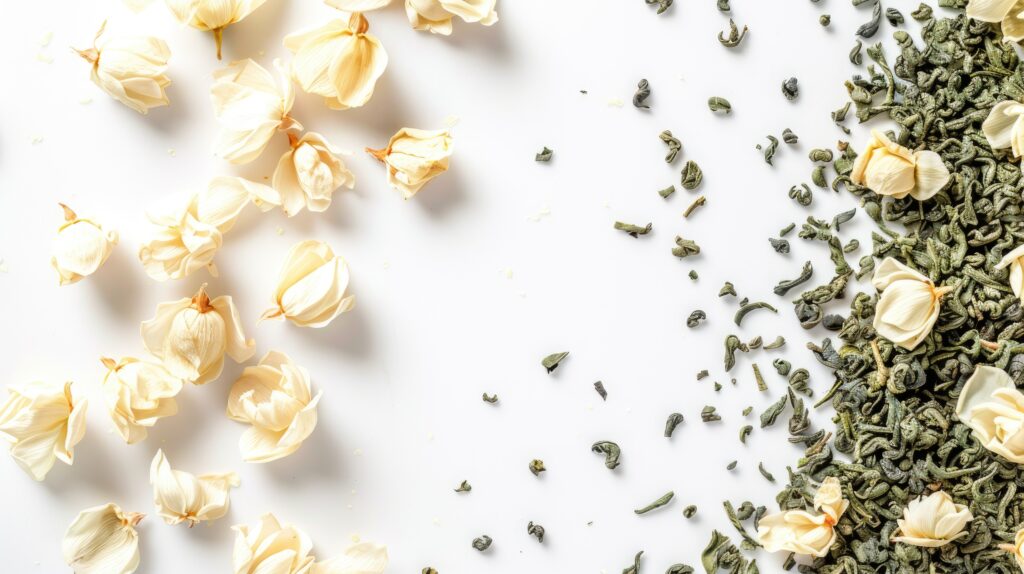
In addition, now is when farmers begin gathering fresh jasmine blossoms, when they bloom in the evenings, to blend with piles of tea leaves. This traditional method for making jasmine persists, fortunately. No trickery here, at least for the good stuff. No artificial flavors, no jasmine “essences”—just real jasmine flowers hand-harvested every night for a week and blended with tea.
A small city in Guangxi Province, Hengzhou, serves as the capital of jasmine tea—six out of every 10 jasmine buds in the world are grown in the city! The volume amounts to millions of kilos of delicate, intoxicatingly fragrant flowers. The result? Pure hedonistic tea pleasure.
We highly recommend visiting! For one thing, if it’s during harvest season, the perfume may enchant you for the rest of your life. Also, many consider Guangxi’s city Guilin as home to the country’s most beautiful scenery.
Join us for a look at some of the places in China where tea today is getting harvested—tea that soon will land on Ku Cha House of Tea shelves!
Spring Harvest Teas: Jasmine Silver Needle
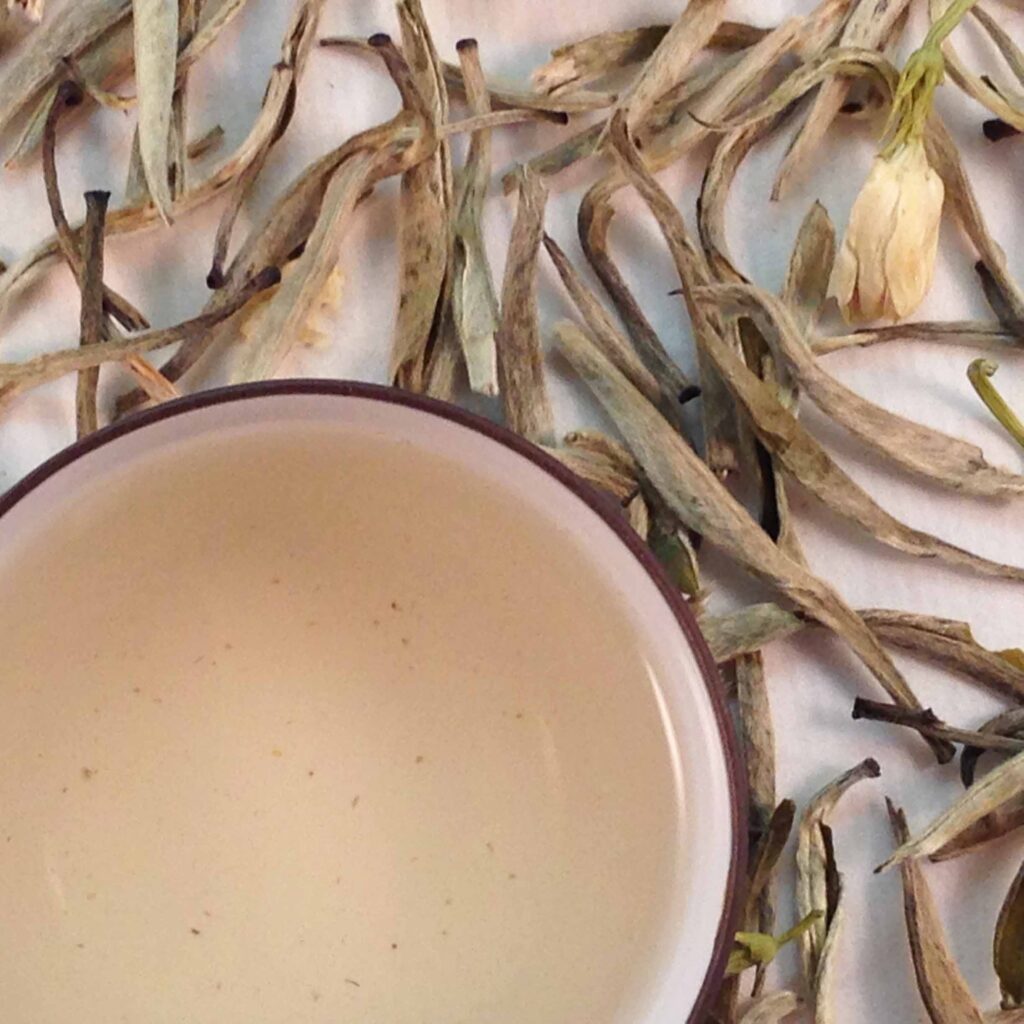
It makes no sense to explore real jasmine tea without offering a tea, like Jasmine Silver Needle, from fabled Guangxi Province—the ancestral home of jasmine tea. And this one is a beaut! Farmers there right now are combining exquisite white tea with fresh jasmine flowers, up to six evenings for between four and five hours at a time. The final yield broadcasts bewitching fragrance and rich, sweet infusions. The flavors shine as multi-layered and textured. This is considered the king of all jasmine teas!
Spring Harvest Teas: Da Hong Pao Rock Oolong
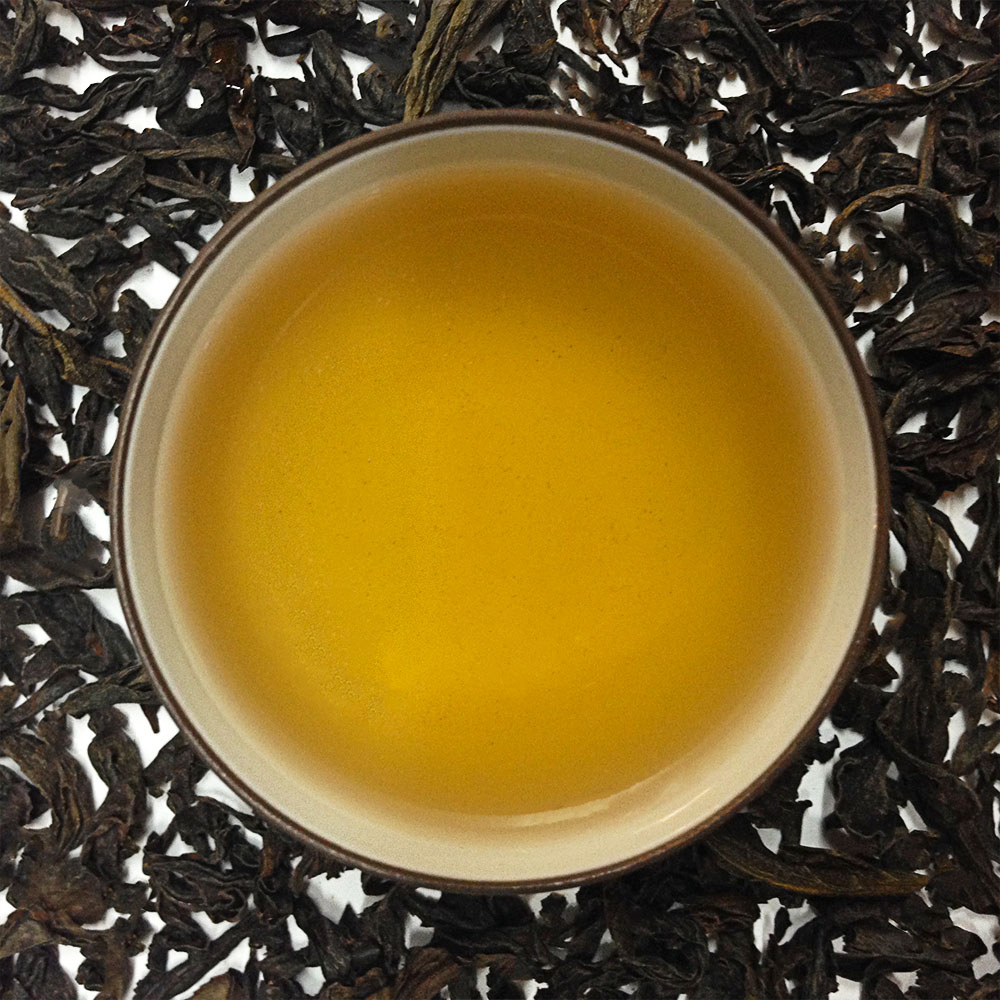
Fujian Province—another global tea-producing powerhouse—produces some of the world’s finest teas, thanks to the WuYi Mountains. This stunning range has supported tea trees for centuries, and tea lovers adore and celebrate them with special fervor. In particular, tea fans go crazy for rock oolongs, the precious teas grown all over the Wu Yi Mountains. Our Da Hong Pao rock oolong, famously known as “Big Red Robe,” is a legendary Wu Yi tea dating as far back as the 18th century. It’s famous for its strong fragrance and rich, roasted taste followed by a pleasant, lingering sweetness. And right now farmers are canvassing across mountain slopes to harvest this magnificent tea. These leaves are harvested with tender care—it’s a must try!
Spring Harvest Teas: Cormorant Creek
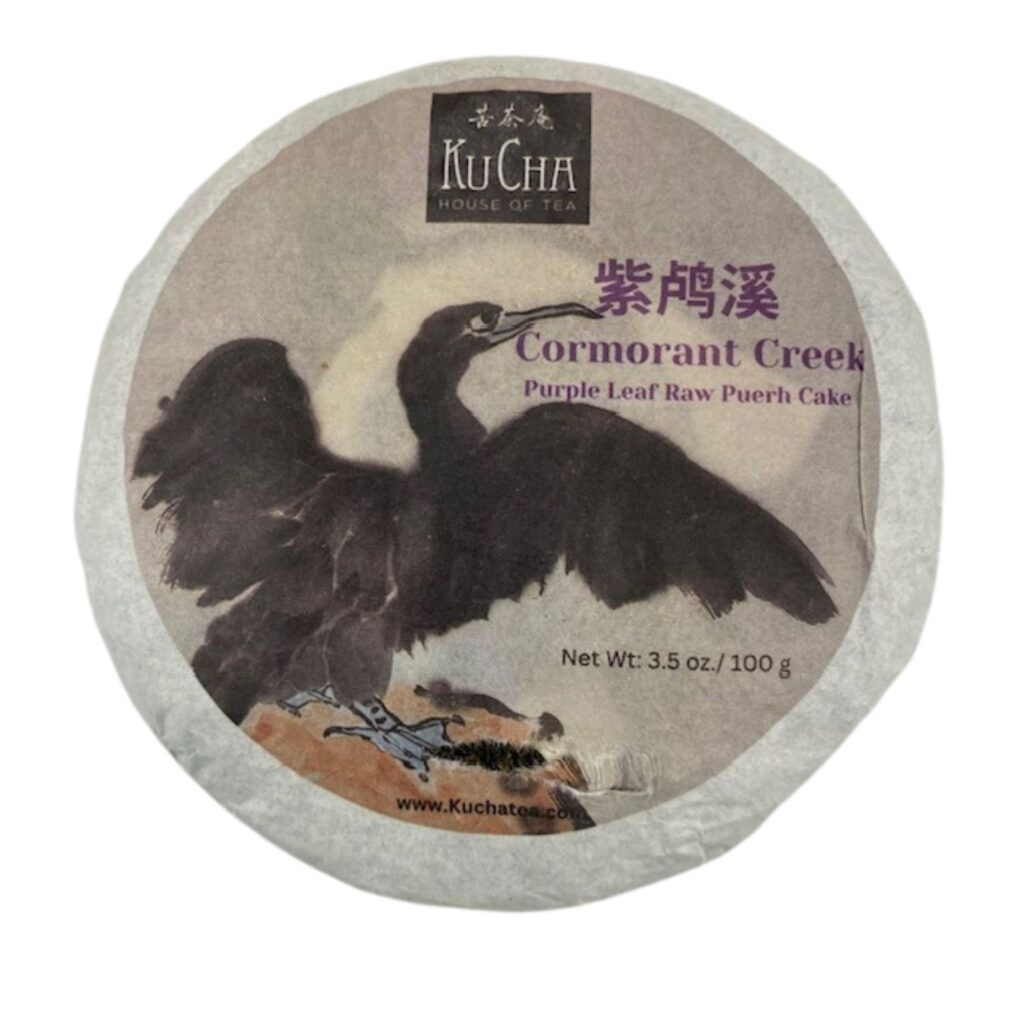
Tea farmers across Yunnan Province fan out across fields in June to harvest tea leaves destined to become pu-erh, China’s famous fermented tea. While pu-erh gets harvested now, it takes a while for tea leaves to make it to Ku Cha. It’s got to ferment first, and that can take years, although most ripe pu-erhs are ready in about a year. The other style of pu-erh, called raw pu-erh, is considered properly aged beginning after about 10 years!
Cormorant Creek, a special collection of purple leaf pu-erh, stands as a point of pride for Ku Cha. It’s a raw pu-erh, so it undergoes quite a bit of aging before we receive it. The sipping experience? Floral and fragrant, with notes of blueberry fruitiness. Cormorant Creek comes from Xishuangbanna, an autonomous prefecture in Yunnan that borders Myanmar and Laos. The beautiful patch of China is known for its Dai culture, unique temples, tropical rainforests—and tea. One day, we’d love to watch farmers harvest Cormorant Creek in this mesmerizing landscape.
Cormorant Creek has a high level of anthocyanidin, which gives it a purple hue—and its name (cormorant birds can appear purple). In addition to contributing to the color, anthocyanidin can help with weight loss, enhance memory and improve visual and neurological health.
